
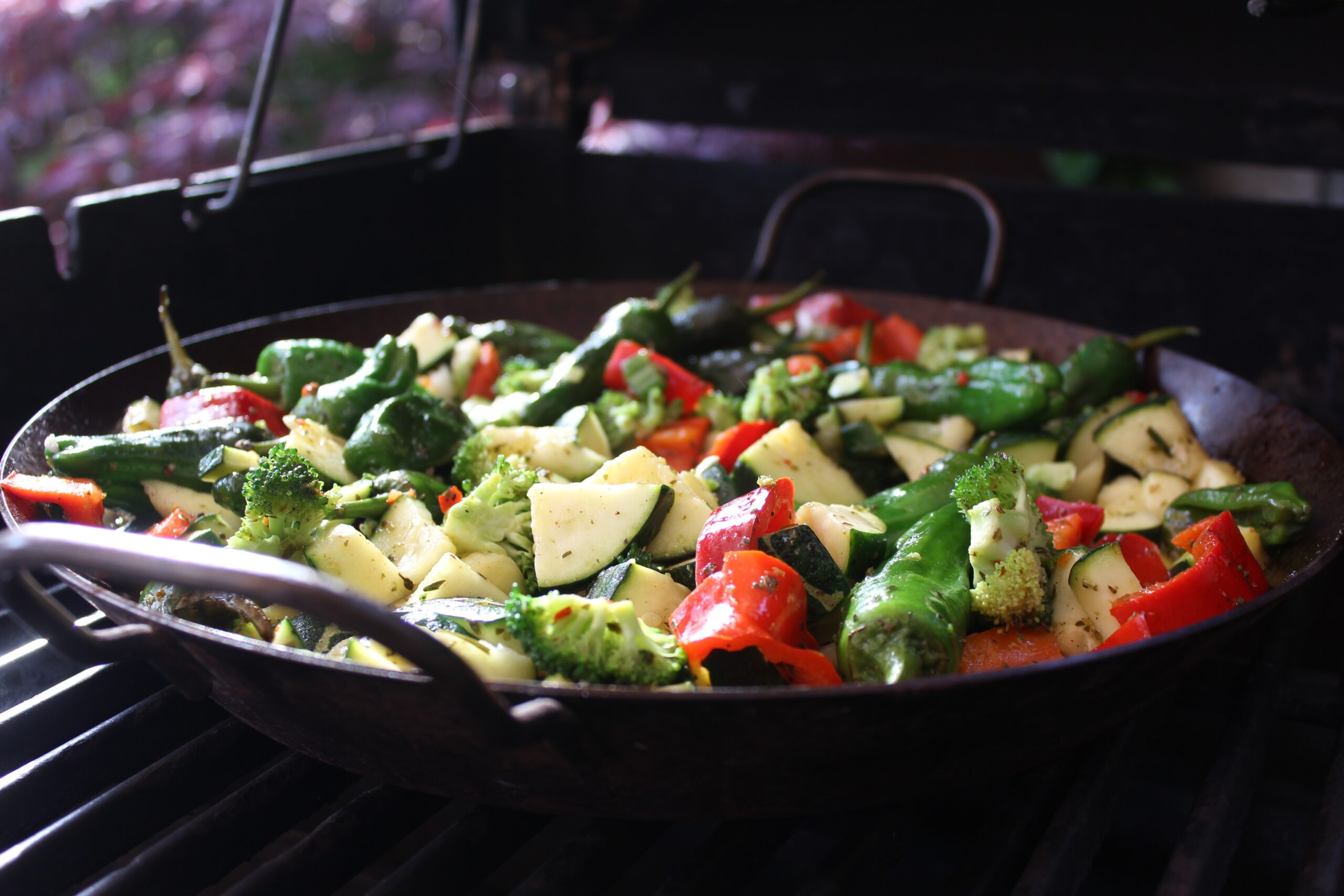

Grocery prices continue to skip, hop and jump higher. They have risen nearly 3% over the last year according to the Bureau of Labor Statistics. The cost of food away from home — full service and limited service — rose more than 3.5% over the last year.
Even amid the stress of rebalancing your budget, it is still possible to shop for and plan healthy meals for you and your family. Here are 10 tips to help you cope with rising food prices.
- Plan your meals. Meals out are usually more expensive. Home cooked meals are often less expensive and healthier, with less sodium and saturated fat.
- Shop with a list and stick to it. It will help you stay organized, remain within your budget and eat healthier. Minimizing impulse buys will save you money and calories.
- Check your pantry and fridge for what you already have, even what may be hiding in the back, when making your menu and list. That way, you can use what you have before it expires, goes stale, or spoils.
- Go meatless more often. Beans are a great source of protein as well as fiber, which most Americans don’t get nearly enough of. Adequate fiber is an important ingredient in managing health conditions such as high cholesterol and high blood sugar as well as gastrointestinal issues. Beans can be added to pasta in place of ground beef, combined with rice as a base for a bowl, or used for a vegetarian chili. Eggs, though they have also increased in price, are another excellent, cheaper source of protein. Add them to salads and to make sandwiches.
- Buy frozen vegetables. Frozen vegetables are just as nutritious as fresh vegetables. Plus, you can use what you need, then put the rest back into the freezer for later, reducing food waste.
- Try store brands. Store brands have improved in quality quite a bit and offer good value, especially for frozen and canned and other shelf-stable items.
- If you shop at a larger grocery chain that has a loyalty program, you can create an online account and load paperless coupons that are automatically applied when you swipe your loyalty card or type in an alternate ID such as your phone number.
- When cooking, don’t be afraid to make substitutions. If a recipe calls for kale, it’s OK to use spinach or even cabbage if they are on sale or cheaper. Swap beans or lentils for meat in casseroles.
- Plan an end of the week dish that uses those partial bags of frozen vegetables or lone carrot or other vegetable in your bin such as a vegetable soup or design your own pasta bowl.
- Seek help. Visit the North Texas Food Bank website at nft.org/food-assistance to search for a food pantry near you. Check with your school district for free summer meal programs for students.

The economy is getting a little rough out there, but hopefully a few changes here and there can help you and your budget stay ahead.