

Prebiotic sodas are popping up on grocery shelves, promising health benefits with the same satisfying fizz as traditional soda. Sales have risen as shoppers cut back on sugar-rich products and embrace alternatives that feel more natural than some zero‑sugar substitutes. They offer indulgence without guilt in familiar flavors. Are the health benefits real or is it just a health halo?
Here’s what to know about prebiotics, what benefits prebiotics sodas are supported by scientific evidence, and how to decide whether paying more than $2 for a 12‑oz can is worth it for you.
The Nutrition Facts on Prebiotics
Dallas-based Poppi and Olipop helped popularize prebiotic sodas, and mainstream beverage companies such as Pepsi have since moved into the market.
According to its website, Olipop is “a new kind of soda that’s good for you and tastes good” while providing digestive support through the addition of soluble fiber and other prebiotic ingredients, similar to what other brands tout, to support a healthy gut. Let’s focus on what sets them apart from regular soda – prebiotics.
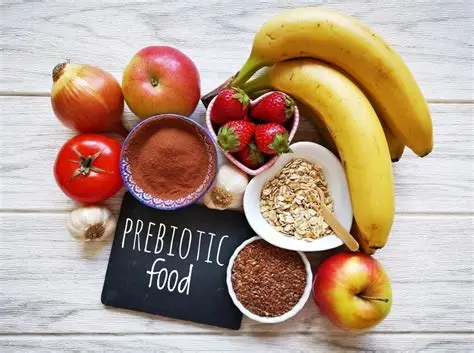
Prebiotics are nondigestible carbohydrates (often fibers) that pass through the small intestine and serve as food for microbes in the gut. They are found in a variety of foods including bananas, onions, garlic, asparagus, soybeans, some whole grains and Jerusalem artichokes.
Prebiotics have been shown to improve absorption of calcium, improve blood sugar control, support the immune system, and reduce risk of colorectal cancer, which is on the rise among young adults.
Inside the Can
Prebiotic sodas add benefits by including inulin often from chicory root and agave and cassava root and apple cider vinegar. Research suggests inulin can help keep bowel movements regular and may help with satiety, cholesterol levels, and blood sugar.
Too much inulin too quickly, though, can cause gas, bloating, cramping, and diarrhea, especially in people who already have digestive issues like irritable bowel syndrome. When adding more fiber like inulin, it’s best to start low and go slow.
Prebiotic sodas often claim the same benefits associated with higher fiber intake. While prebiotic fibers are well-studied in general, the research is thinner on prebiotic sodas, especially for long-term outcomes. Some consumers say they notice they feel less bloated after meals and full longer when they consume a prebiotic soda daily.

Whether the amount and type of added fiber in a single can is enough to meaningfully move the needle for long-term health remains to be seen.
Are Prebiotic Sodas Right For You?
Prebiotic soda may be a good option if you want a lower-sugar treat and you tolerate higher-fiber foods well. If your usual diet is low in fiber — few beans, fruits, vegetables, and whole grains, jumping in with two cans of prebiotic sodas a day could cause gas and bloating — so start with a small amount and increase gradually.
Whole foods remain the best way to meet fiber needs: about 25-30 grams per day for women under age 50 and 38 grams per day for men. Those over 50 need 22-28 grams per day.
Prebiotic sodas aren’t a cure-all — they can be a better choice than traditional, but they’re best viewed as an occasional add-on, not a nutrition strategy. If you want real gut and metabolic benefits, build your diet using vegetables, fruit, beans, whole grains, healthy fats, and lean proteins.