In honor of Women’s History Month, we decided to catch up with the globally renowned philanthropist to discuss her latest book, women in leadership, and how she is crafting legacy—not only for her family, but for women all over, from here and beyond.
SDM: Women’s History Month is about honoring legacy and leadership. In Front Porch Wisdom, you reflect on lessons passed down through generations. What “front porch” lessons from the women in your life most shaped the leader you are today?
Booker: “I’ve learned a lot, but it wasn’t necessarily what women around me said, but quite often by watching what these women did. I saw a lot of women who suffered in silence and were conditioned to only pray about things. I believe that prayer is super important, but it was also important to make sure that you weren’t swallowing those things that caused you harm and that sacrificed your mental health. I remember seeing some premature deaths because of the stress that women were carrying—sometimes a result of the lack of safe spaces that valued vulnerability and gave positive affirmations.
I also saw women who, even in suffering, found ways to build community with other women who were their partners in solidarity, even when they may not have been able to share everything that they were enduring. The lesson for me was making sure that I created my own front porch that was filled with both elders and younger women because there’s power in intergenerational connection.”
SDM: Your work often centers on faith, community, and connection. How does Front Porch Wisdom redefine leadership — especially for women who may not always see themselves reflected in traditional leadership narratives?
This book is really different because traditional leadership narratives often do not reflect the experience of women of color. As a Black woman, I’ve read and studied a lot of leadership (My PhD is in Leadership and Change), and very seldom did I see myself reflected in the work.
The other thing that I did not see was the ability to tie our faith into leadership. John Maxwell has amazing leadership books, and yet many of the experiences that we go through are not raised or addressed in these bestsellers. I also included Case studies of other women of color because I can’t speak for everyone, and I’m very clear on my identity and my limitations. We are not monolithic. Additionally, there are a lot of spaces in the book for reflection.
SDM: You’ve built a career at the intersection of philanthropy, faith, and equity. What barriers do you believe women (particularly Black women) still face in leadership spaces, and how can wisdom rooted in community help dismantle those barriers?
As much as we’ve advanced as Black Women, I still hear the cries of so many who are not being paid fairly, who are expected to carry more loads than their counterparts, are not fairly promoted, or are under unrealistic expectations that exist for many black women in the workplace. I know Black women who are not given the same grace as others and still have to show up with a smile on their face for fear of being perceived as a stereotype or trope. I believe building a community helps you to tap into the greater wisdom and knowing that women have, so that you don’t have to go through this alone. If some barriers are either too big or unrealistic to dismantle—and in those situations that cause trauma—it might be best to walk away. No job is perfect, but it shouldn’t steal your peace either.
SDM: The “front porch” is such a powerful metaphor. Why was that the right symbol for this book, and what does it represent about how women build influence and impact?
When I was growing up, the front porch was a place where I saw women in command. It was the place where the elders sat and watched the neighborhood. They were the neighborhood watch group before it was even known as that. It was a place where women talked and shared their secrets, recipes, and laughs. I saw the front porch as a place that was intergenerational. It was a place that could even be sacred, with a praise break occurring at any moment, or the space to get your hair braided. It was multifaceted, multipurposed, and safe. I wanted a book that served as a leadership mentor and guide. More importantly, I want women to think about how they will create their front porch.
If a young woman in Southern Dallas picked up Front Porch Wisdom during Women’s History Month, what is the one truth or affirmation you hope she carries with her long after she turns the last page?
I hope a young woman who reads Front Porch Wisdom will walk away feeling seen and powerful—that she knows that she can do all things through Christ who strengthens her. I hope she recognizes that God has a purpose and a plan for her life.
I hope she knows that she is not an impostor, and to question systems and spaces that make her doubt who she is.
I hope that she realizes that rejection and trauma may shape her, but they do not have to define her.
I pray that she understands that “NO” is a complete sentence and boundaries are necessary for this journey. Know your non-negotiables, too.
Lastly, I hope that she walks away, thinking about her own front porch and who needs to be sitting with her as she journeys through life. She doesn’t have to do this alone.

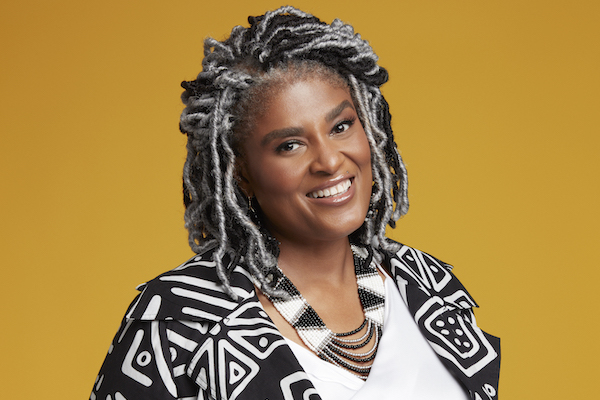

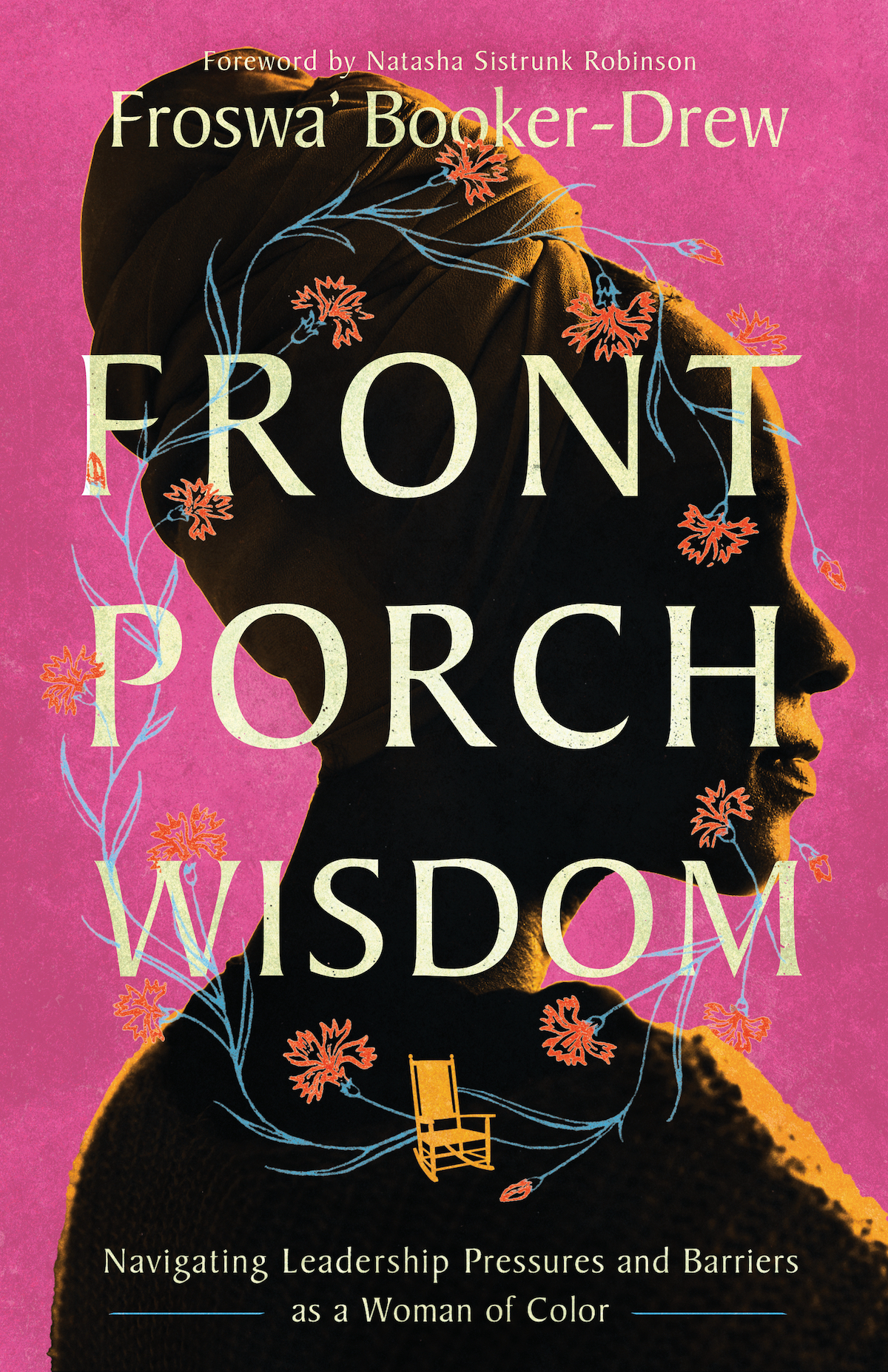 Dr. Froswa’ Booker, a multi-award-winning author, professor, scholar, and preeminent voice on Black Women in Philanthropy, has recently earned another national recognition for her latest book Front Porch Wisdom: Navigating Leadership Pressures and Barriers as a Woman of Color (Front Porch Wisdom). Just last year in November, Front Porch Wisdom took home the title for the 2025 ECPA Top Shelf Book Cover Award in the nonfiction category. Now, the book is being recognized by the Illumination Book Awards as the 2026 Outstanding Book of the Year.