
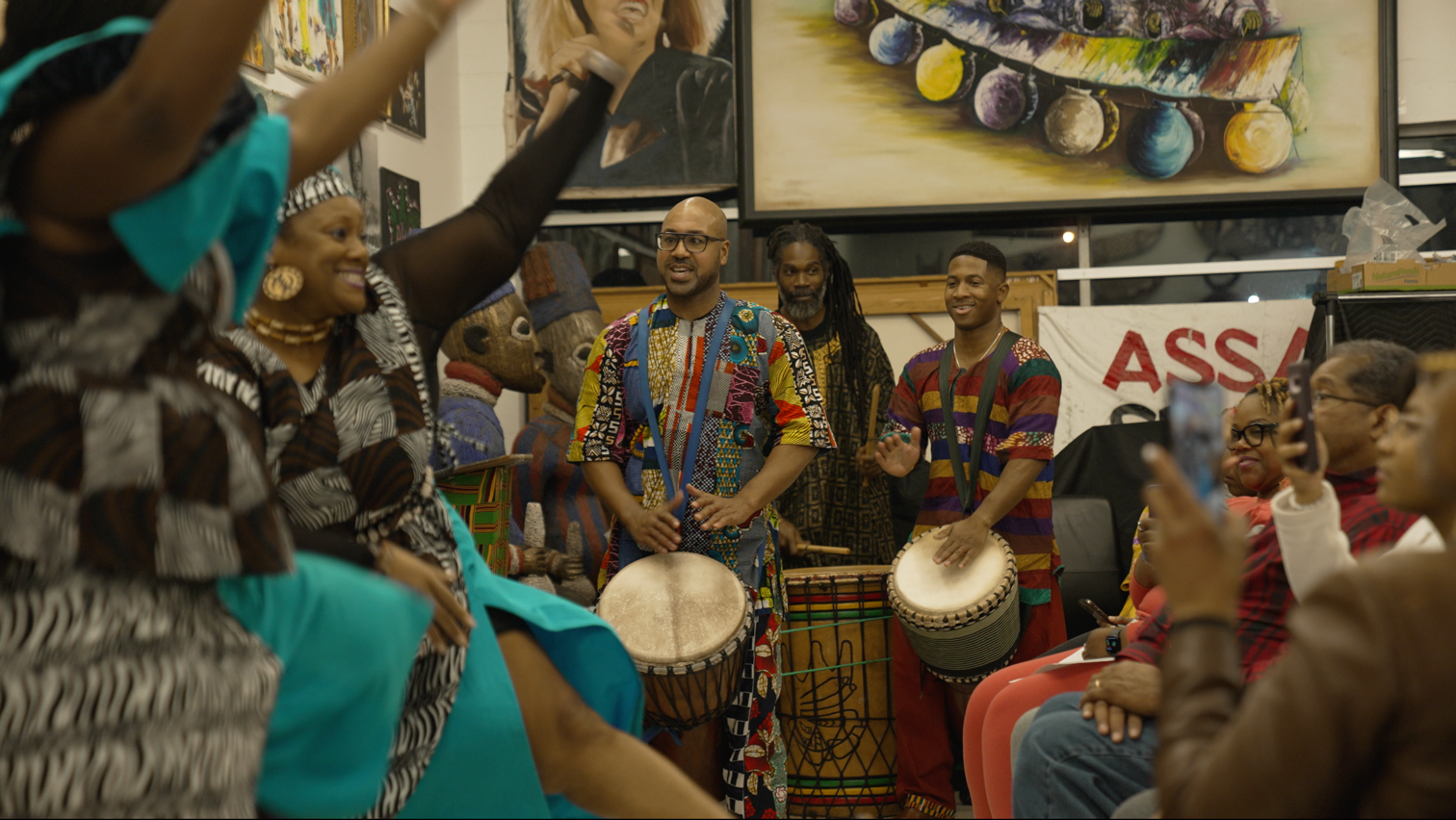

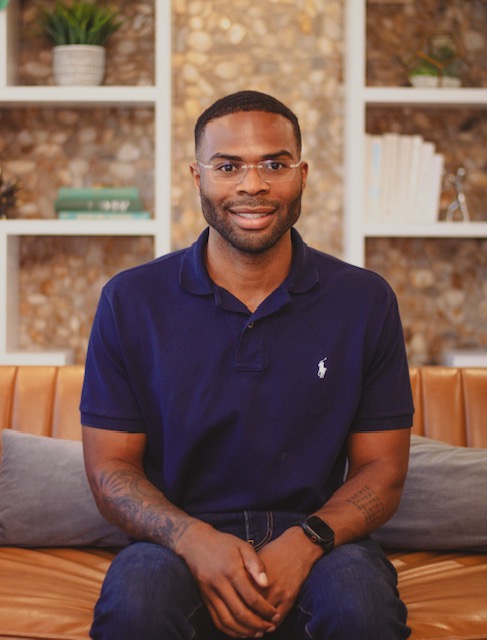
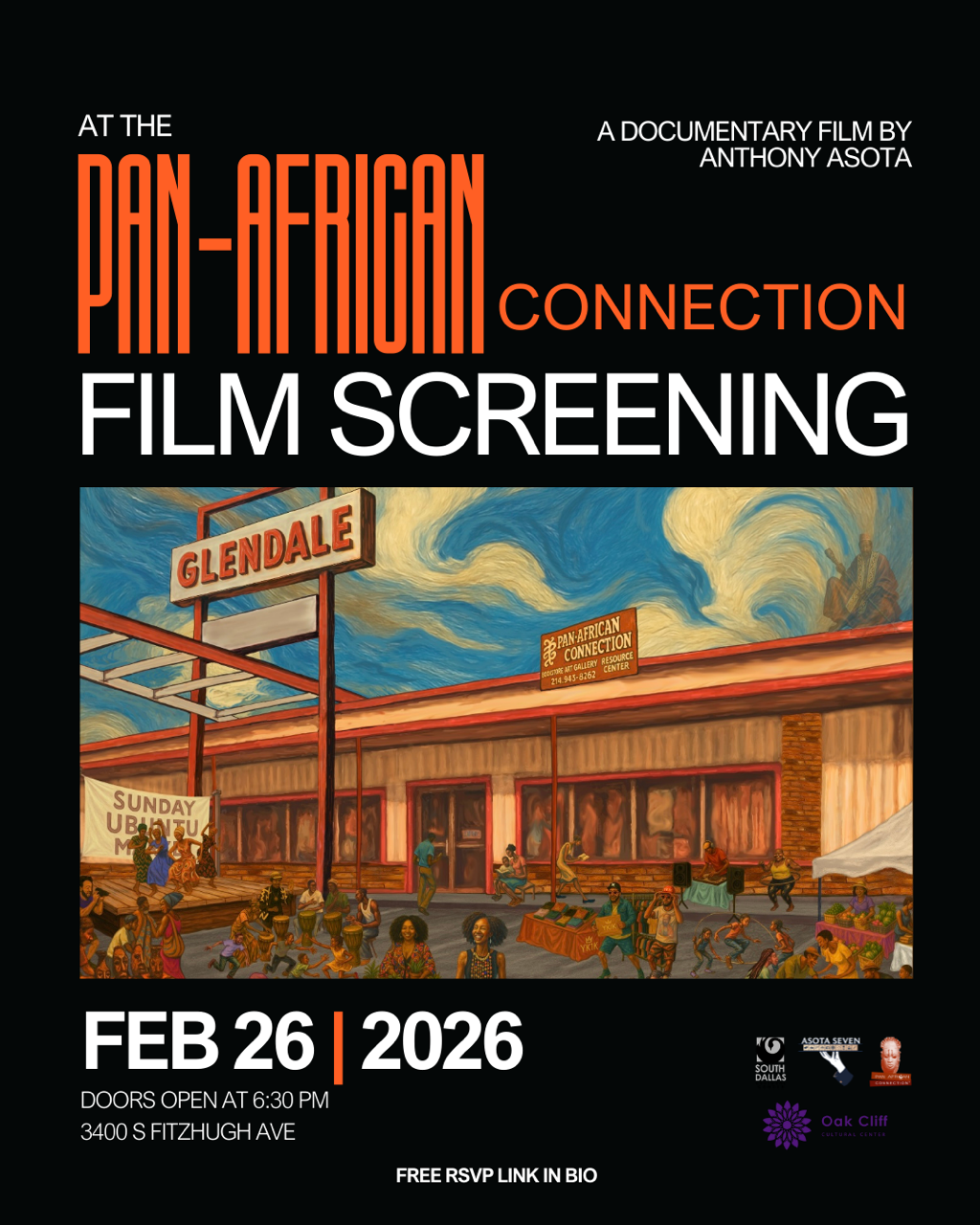
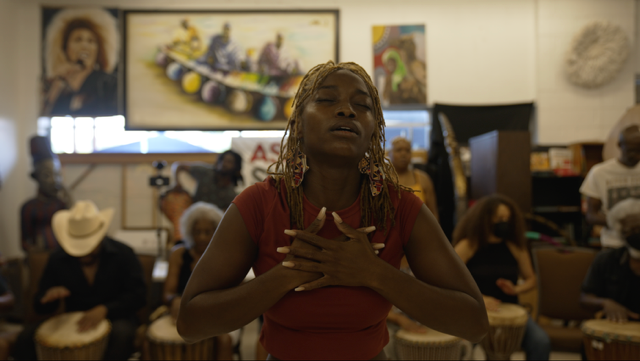
 At the Pan-African Connection—a documentary by Dallas filmmaker Anthony Asota of Asota Seven Arts & Entertainment—examines the state of Black America’s socioeconomic progress through the lens of one of Dallas’ legacy institutions of community power: the Pan-African Connection Bookstore, Art Gallery, and Resource Center (PAC) in Oak Cliff. Asota, a Dallas native, stumbled upon the gem in 2021 during a routine visit, while home from Los Angeles. As he casually perused the books, cultural artifacts and resources, something took hold of his soul and would not let go.
A producer for Netflix at the time (Love Is Blind, Last Chance U: Basketball, America’s Sweethearts: Dallas Cowboys Cheerleaders), Asota began to explore what awakened within during this soul-shifting visit to the PAC. What he uncovered was the key to his history, Black history, and the overall value of education and civic engagement through one of the most iconic Black cultural institutions—the bookstore. Asota returned home in 2024 to complete filming for At the Pan-African Connection, and focused on the prominence of the PAC as part sanctuary, part classroom and part organizing hub—as one of Dallas’ local beacons of resilience for the past three decades.
We caught up with Asota, particularly in honor of Black History Month, to chat more about the film.
SDM: What was life like for you growing up in Dallas? What are some of your fondest memories?
Asota: “Overall, growing up in Dallas was great. As a kid from the inner city, you experience both the good and the bad that come with that, but I’m grateful for it all. The memories that always come to mind are things like joking at the green box, throw-up tackle, curb ball, family reunions, church, block parties, basketball—I could go on all day. My childhood played a big part in shaping who I am today.”
SDM: You left Dallas on a football scholarship to college, but an ankle injury put all of your sports dreams on pause—forcing you to pivot. Were there any lessons that you learned from that moment that you carry with you today?
 Asota: “Acceptance. During that time, I had to constantly tell myself “This is what it is right now,” just to keep my anxiety in check. It’s easy to start disliking your reality and dreaming of a different life and circumstances, and that’s okay. But accepting the truth of where I was made the present moment important again, even though it wasn’t ideal. We all see and hear the phrase ‘Everything happens for a reason.’ So If that’s true, then maybe there was something in my reality I needed to pay attention to or learn from. That shift in perspective is something I still carry with me today.”
SDM: You pivoted into storytelling and production, landing you in Los Angeles with Netflix? What was it like being a Netflix producer, and what were some of your favorite moments?
Asota: “This isn’t just specific to being a producer on a Netflix show, but I would say some of my favorite moments to this day is being present with the overall story. Within a span of three days you could be with someone at a homeless encampment, filming with the owner of your favorite sports team, doing a home visit with the local bully from a high school, and then following around one of the politicians in the state. Just being able to see life from all of these different perspectives is priceless.
SDM: Hopping into a new career field is often scary. As you ventured into the world of documentaries, how did you stay committed and focused, even when the path may not have been so clear ahead?
Asota: “Dealing with uncertainty was — and still is — one of the toughest battles to fight. In the beginning I stayed committed and focused by stripping away everything in my life that didn’t lead down the road to becoming a good documentarian.”
Who are some of your influences or role models within the film industry?
“One filmmaker I’ve always admired is Greg Whiteley. His style and the subtle decisions he makes in his work have had a big influence on me.”
 SDM: Transitioning to your latest work—your debut documentary, At the Pan-African Connection—how has the feedback been for the film?
Asota: “The feedback has been encouraging. What I value most are the personal stories people share after screenings and the questions that come up during the panel Q&A’s.”
SDM: What are the biggest takeaways that you want for the audience to have while watching this film?
“The biggest take away I would want is for the viewer to understand that being a real citizen isn’t just paying taxes and voting—it’s being engaged, especially locally. I would hope that they walk away with a better sense of how they could be a better community member.”
SDM: Besides immersing ourselves in films like yours, what other things can the community do to make sure that our children never lose sight of their history?
Asota: “I believe that having our youth consistently participate in productive culture is a way that they will never lose sight of their history. If they can frequent these ‘Third Spaces’ that exist within the community (like Pan-African Connection), they will feel more of a responsibility to its well-being. And when people feel responsible for something, they’re far less likely to lose it.”
SDM: What’s ahead for you in the future?
Asota: “I can’t say for sure, but my aim is continued growth as a human and filmmaker. I’ve also started my second documentary that will dive into the world of hip-hop—so for the foreseeable future, I plan to tend to the needs of the idea and see what comes about.”
Dallas residents are invited to support At the Pan-African Connection and attend a screening during Black History Month on Thursday, February 26 at 7:00 p.m. at the South Dallas Cultural Center. Tickets are $8 and can be purchased on Eventbrite. Following the screening, a moderated discussion with Asota and local community leaders will be held.