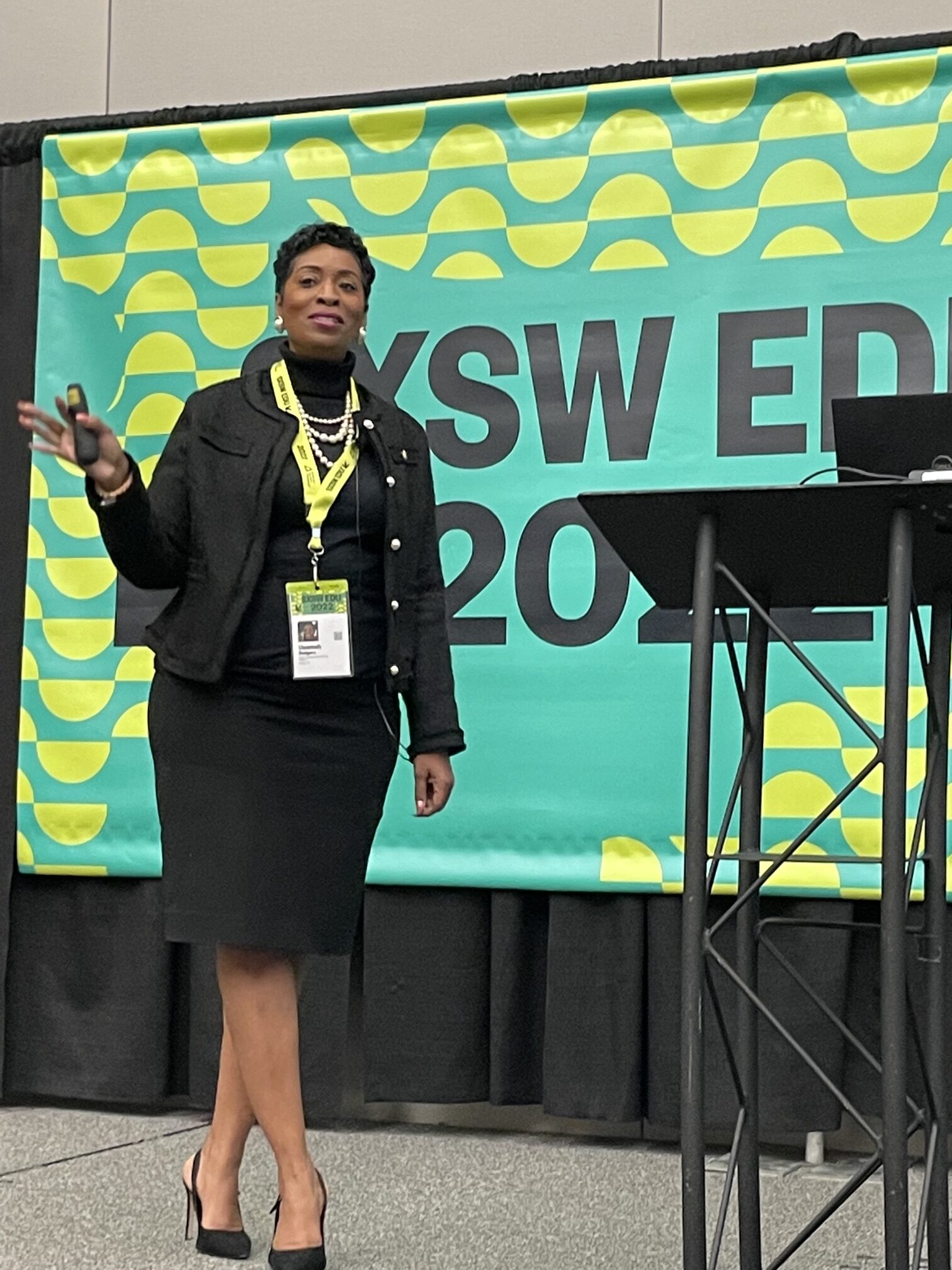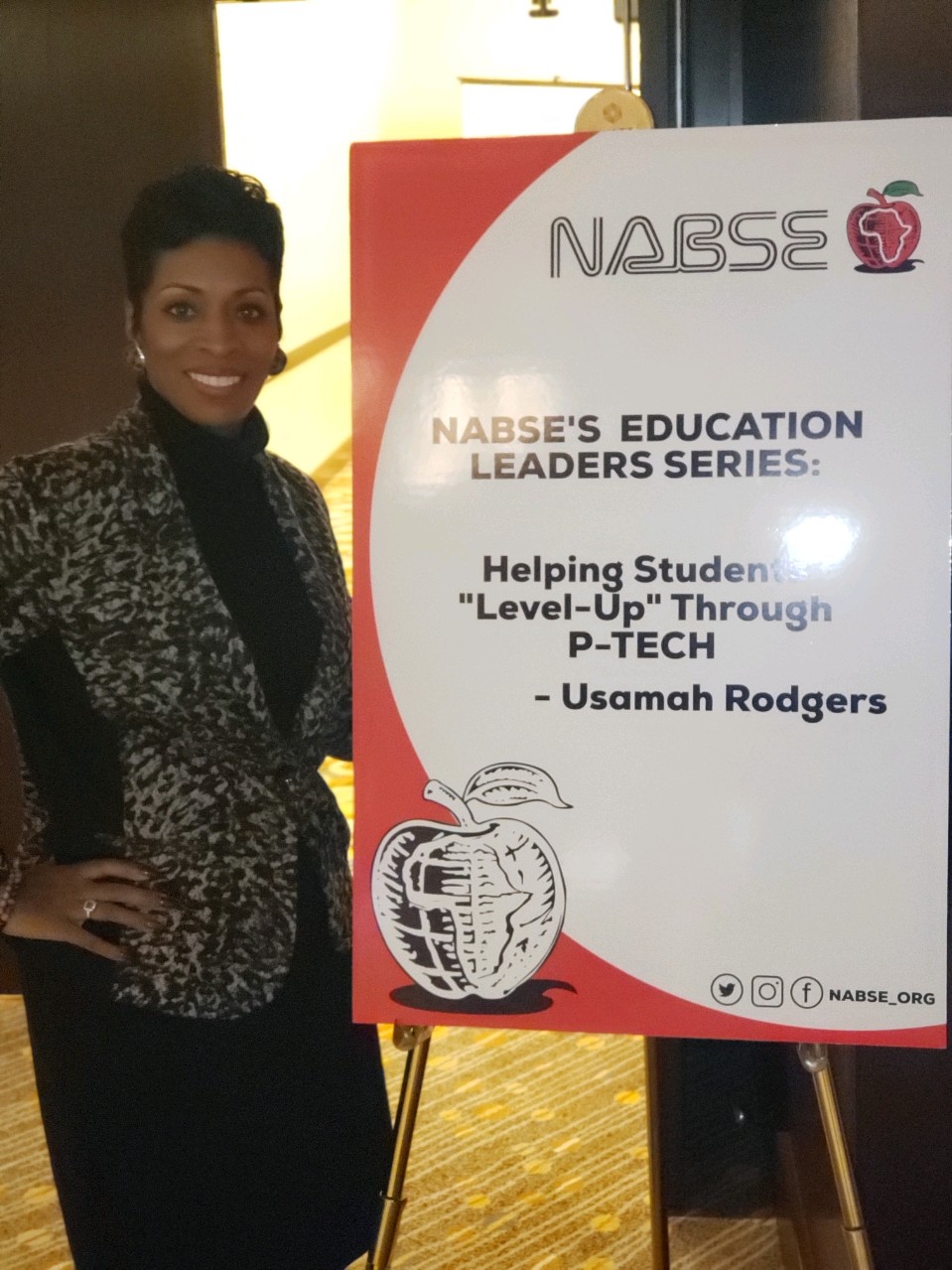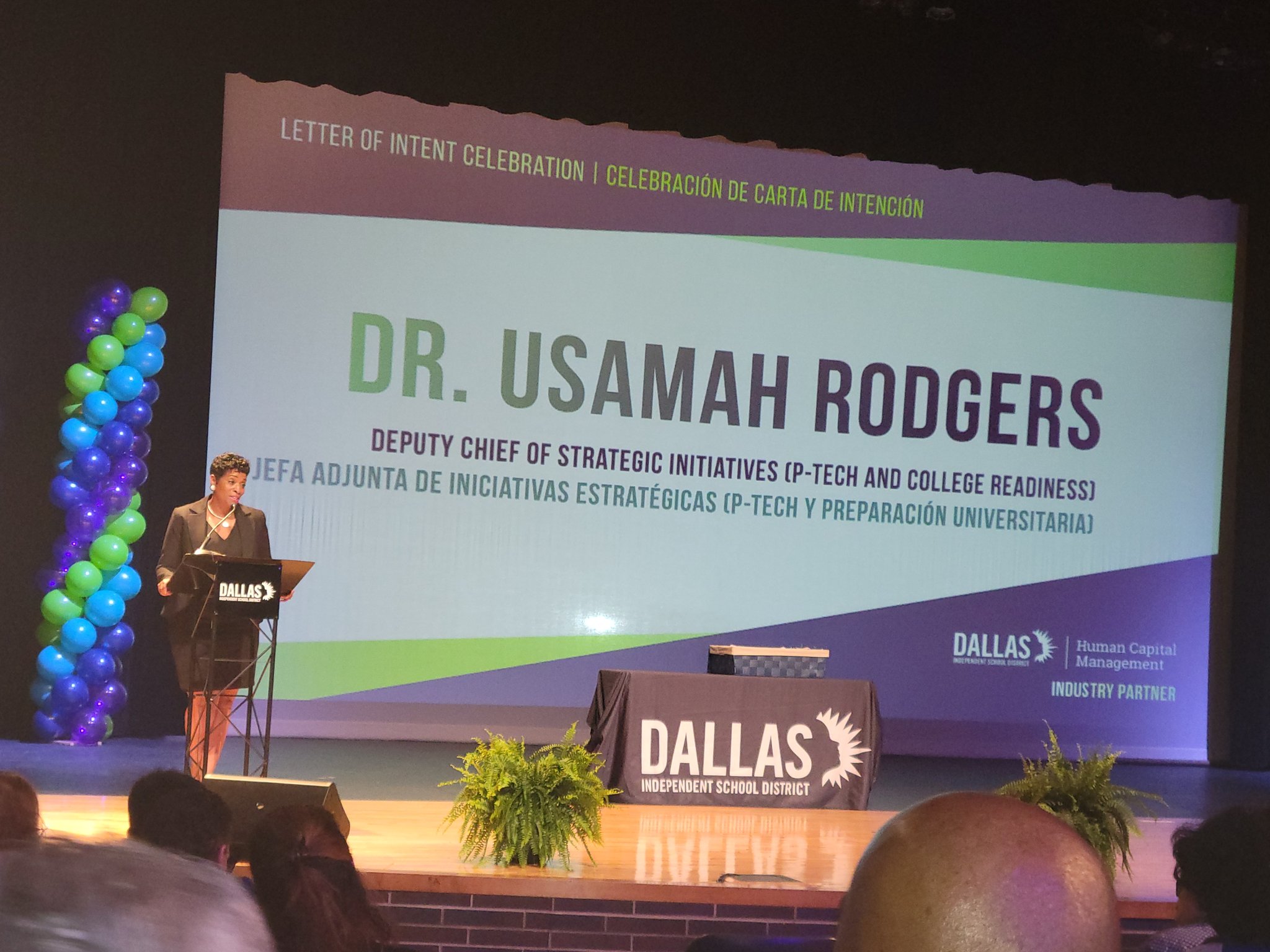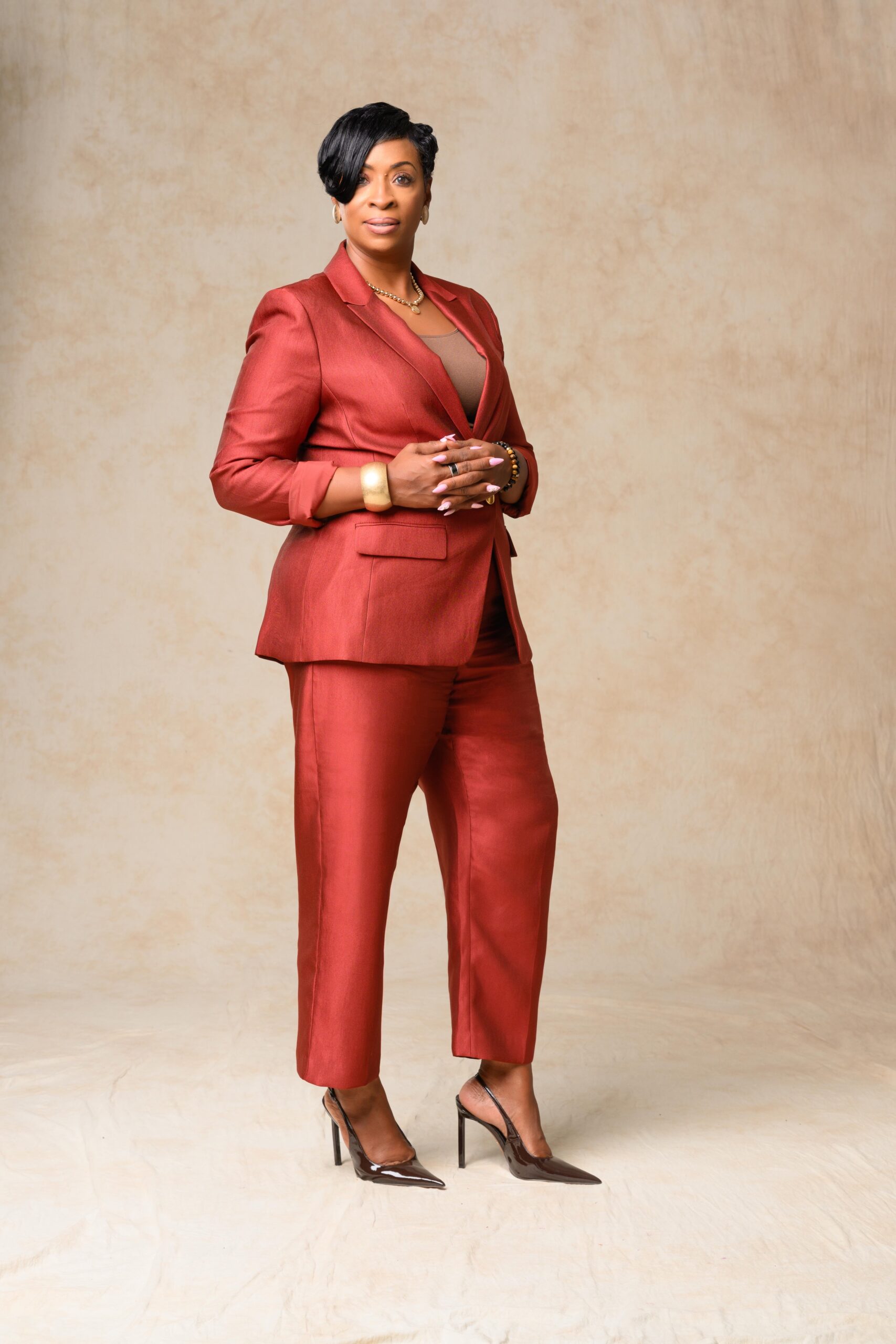
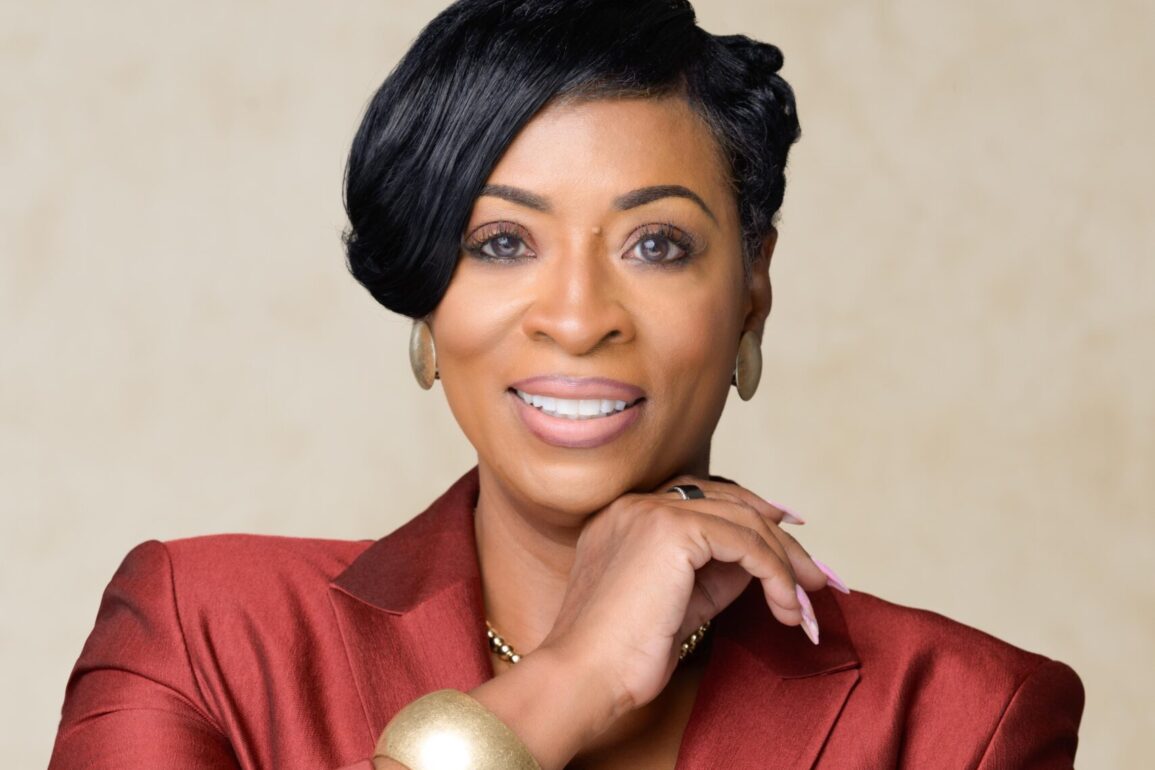
SDM: Before we jump in, tell us a little about yourself for those who don’t know you. You’re a native of Kansas City, right? What brought you to Dallas?
Dr. Rodgers:
Yes, I am a proud native of Kansas City, Missouri. I was raised with a strong foundation in faith, education, service, and hard work, and those values have shaped every chapter of my life.
I initially moved to Texas with my then-husband, who was stationed at Fort Hood. After about a year in Central Texas, we made the decision to relocate to Dallas because of the opportunities the city offered for our family, professionally, and personally.
What started as a move in search of greater opportunity ultimately became home. Dallas County is where I raised my family, built my career, developed lifelong relationships, and had the privilege of serving children and communities throughout the area.
Over the years, I have developed a particularly deep connection to southern Dallas County. I believe in this community, its families, its children, and its tremendous potential. When I look back, I can see how that initial move to Texas opened the door to a life and career I could not have fully imagined at the time.
SDM: Did you know early in your life that education was going to be your career path?
Dr. Rodgers:
Absolutely. I was the little girl who loved my teachers and loved school. I enjoyed learning so much that I would ask my teachers for extra worksheets, take them home, and then play school with the children in my neighborhood.
And I took my play school very seriously! I expected my friends to complete their assignments, turn in their papers, and then I would grade them. Looking back now, I can see that education and leadership were showing up in me long before I had the language to describe either one.
My mother also had a tremendous influence on my career path. She worked as an Equal Opportunity Specialist with the U.S. Department of Education’s Office for Civil Rights, and I grew up hearing her talk about her work, educational access, equity, and the importance of ensuring that children had opportunities regardless of their circumstances. Those conversations helped me understand that education was not only about what happened in a classroom; it was also about access, opportunity, advocacy, and changing lives.
So, while I may not have understood as a little girl exactly where my career would take me, I believe the foundation was always there. I loved school, I loved teachers, and I was fascinated by the power of education. Over time, that childhood passion grew into a calling to help create the kinds of opportunities for children that can change the trajectory of their lives. I truly believe demography should not determine a student’s destiny.
SDM: Before you became Superintendent of Schools, you had a very storied career. Tell us about that journey.
Dr. Rodgers:
My career has truly allowed me to experience public education from the classroom to the boardroom.
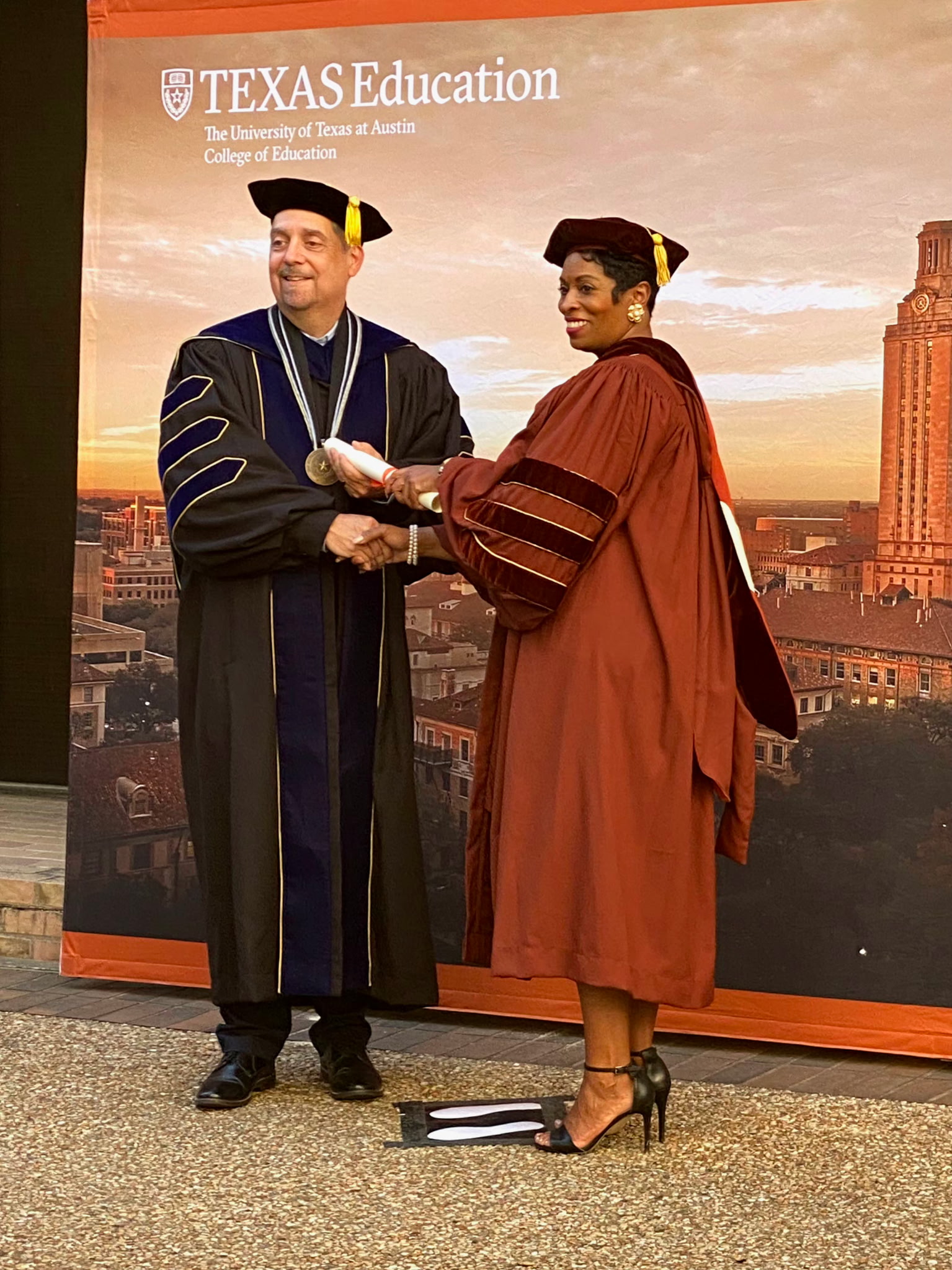
I began as a teacher, and those classroom experiences have never left me. In fact, being named Teacher of the Year early in my career affirmed for me that the classroom was where my leadership journey began. Everything I have done since then has remained grounded in a simple belief: the decisions we make as leaders must ultimately strengthen teaching, expand opportunity, and improve the experience of children.
Over the years, I had the privilege of serving as a campus administrator at multiple levels, leading school turnaround efforts, developing innovative college and career pathways, and serving in senior district leadership roles. Along that journey, I was also honored to be named Principal of the Year, which was especially meaningful because I have always believed that strong campus leadership can transform not only a school, but an entire community.
One of the experiences I am particularly proud of was serving as the founding principal of Cedar Hill Collegiate High School. That work reinforced my belief that when we combine high expectations, intentional systems, strong relationships, and access to opportunity, students will rise to the occasion.
Later in my career, I had the opportunity to help lead what became the largest implementation of the Pathways in Technology Early College High School (P-TECH) model globally. That work brought together K–12 education, higher education, and industry partners to create pathways that allowed students to simultaneously earn a high school diploma, college credentials, and valuable workforce experience. It remains one of the accomplishments I am most proud of because it demonstrated what is possible when we remove barriers and intentionally create access to opportunity for young people.
Each position I held broadened my understanding of how systems, leadership, partnerships, and policy can work together to change outcomes for students.
Throughout my career, I have been humbled to receive recognition from a wide variety of local, state, and national organizations. In addition to being named Teacher of the Year and Principal of the Year, I was honored by The Edvocate as one of the nation’s Best K–12 Education Leaders in both 2020 and 2022, along with receiving numerous other awards and recognitions for leadership, innovation, and service.
I am certainly grateful for every award, but I have never viewed recognition as the goal. For me, the real measure of success has always been the students whose opportunities expanded, the educators whose leadership grew, the schools that improved, and the communities that became stronger because of the work.
Every position prepared me for the next one. I never viewed my career as simply climbing a ladder. I viewed it as expanding my capacity to serve, influence, and create opportunities for others.
SDM: When the Superintendent position became open, what made you want the job? You were doing fine where you were, right?
Dr. Rodgers:
Absolutely. I was doing well professionally, so becoming a superintendent of schools wasn’t about needing another title.
It was about purpose.
The position was open in a neighboring district that had talented children, committed educators, proud alumni, involved families, and a community that deeply loved its schools. At the same time, the district was facing some significant challenges.
I saw tremendous possibility.
I believed my experiences in school transformation, organizational leadership, academic improvement, college and career readiness, and systems development could help the district stabilize and move forward.
And there was something deeply meaningful about serving as superintendent in southern Dallas County. I understood the responsibility that came with the position. I was also excited about the potential to work collaboratively with the board, faculty, staff, parents and community.
SDM: Why did you decide to retire as opposed to looking to work for another district? I would say you are rather young to retire.
Dr. Rodgers:
I worked as a K-12 educator for 32 years. My goal was never about chasing a position or title but making a difference. Serving as superintendent was a job a loved; however, the challenges surrounding the position began to extend beyond the role. So, after reflecting I decided it was time for me to step aside and pursue other goals that I have outlined on my vision board.
Retirement for me was never about being finished. It was about recognizing that I had completed a chapter.
For more than three decades, my life operated around the rhythm of public education and the responsibility of caring for thousands of students and employees.
I realized I didn’t want another superintendency. I still wanted to serve but on my own terms. I now have the opportunity to consult, speak, write, mentor leaders, help multiple school systems, build partnerships, travel, spend time with the people I love, and pursue ideas that had been sitting quietly in my spirit for years.
So, I don’t really think of myself as retired. I transitioned into the next chapter.
SDM: So, you retire from education as an employee and you pondered what your next chapter will be. What was that process like? You had been in the field of education for so long.
Dr. Rodgers:
That transition was much more emotional than I expected during the first days of school.
For the first time in more than fifty years, I didn’t go to school on the first day. I started school at three years old and until this year, I have been in school every year since that time. That realization hit me.
I had to sit in that moment and think about this next chapter and what that meant. What would I start, stop and do differently.
I gave myself permission to slow down enough to ask: What brings me joy? What do I want to build? How do I want to spend my time? What does success look like now?
In my moments of reflection, I came to terms with my next chapter isn’t about proving anything. It is about purpose, peace, impact, freedom, and possibility.
SDM: Before we jump into that next chapter, how was it being a mother and working in the positions you’ve held along the way?
Dr. Rodgers:
That may be one of the most important questions you have asked.
Being a mother while building a demanding career required constant navigation.
There were seasons when I did it beautifully, and there were seasons when I simply did the best I could.
Women are often expected to carry everything to be excellent professionally, fully present mothers, supportive partners, daughters, sisters, friends, caregivers, community servants and somehow never become tired.
That isn’t realistic.
My children grew up alongside my career. They saw the long nights, the weekend events, the emergencies, the celebrations, the sacrifices, and the victories.
And they also taught me something incredibly important: success means very little if the people you love never get to experience you.
As I have matured, balance has become less about dividing every hour equally and more about being fully present wherever I am.
Today, I value presence, boundaries, rest, relationships, and joy in ways that younger Usamah didn’t always understand.
SDM: Now we can talk about this next chapter! Tell us about your business and what it feels like being an entrepreneur.
Dr. Rodgers:
I am having so much fun!
I founded the Usamah Rodgers Consulting Group in 2019 to take the experiences, lessons, strategies, and expertise I developed throughout my career and use them to support leaders and organizations beyond one school district. I now do this work on a full-time basis.
Our work focuses on transformational leadership, executive coaching, strategic planning, organizational improvement, governance, college and career readiness, workforce development, innovative school models, and building partnerships between K–12 education, higher education, business, and community organizations.
I am also doing more speaking, writing, leadership development, and strategic advising.
Entrepreneurship requires a completely different mindset. As superintendent, there was an entire infrastructure surrounding the work. As an entrepreneur, you quickly realize that sometimes you are the CEO, strategist, marketer, salesperson, accountant, and administrative assistant—all before lunch!
But it is incredibly energizing.
For the first time in my career, I get to intentionally choose work based on alignment, impact, and purpose.
And that feels like freedom.
SDM: Who are the clients that would benefit from what you offer?
Dr. Rodgers:
Our clients include school districts, superintendents, executive leadership teams, education organizations, colleges and universities, nonprofits, corporations working within the education space, and organizations interested in improving economic mobility and workforce outcomes.
I am particularly passionate about working with leaders and organizations navigating transformation.

That may mean a superintendent trying to improve district performance, a leadership team developing a strategic plan, a district expanding college and career pathways, an organization building stronger partnerships with K–12 systems, or an executive who wants coaching and support navigating a complex leadership environment.
I spent my career solving complicated problems.
Now I get to help other leaders solve theirs.
SDM: How can they get in touch with you for a consultation?
Dr. Rodgers:
The easiest way is by visiting the Usamah Rodgers Consulting Group website – https://usamahrodgers.com. I welcome conversations with organizations and leaders who believe there may be an opportunity for us to partner.
For me, every engagement starts with listening. I want to understand the challenge, the desired outcome, and what success looks like before determining how I can help.
SDM: You also recently wrote a book! You’ve been a busy bee! Where did the idea of writing a book come from? Tell us about the book and where we can find it.
Dr. Rodgers:
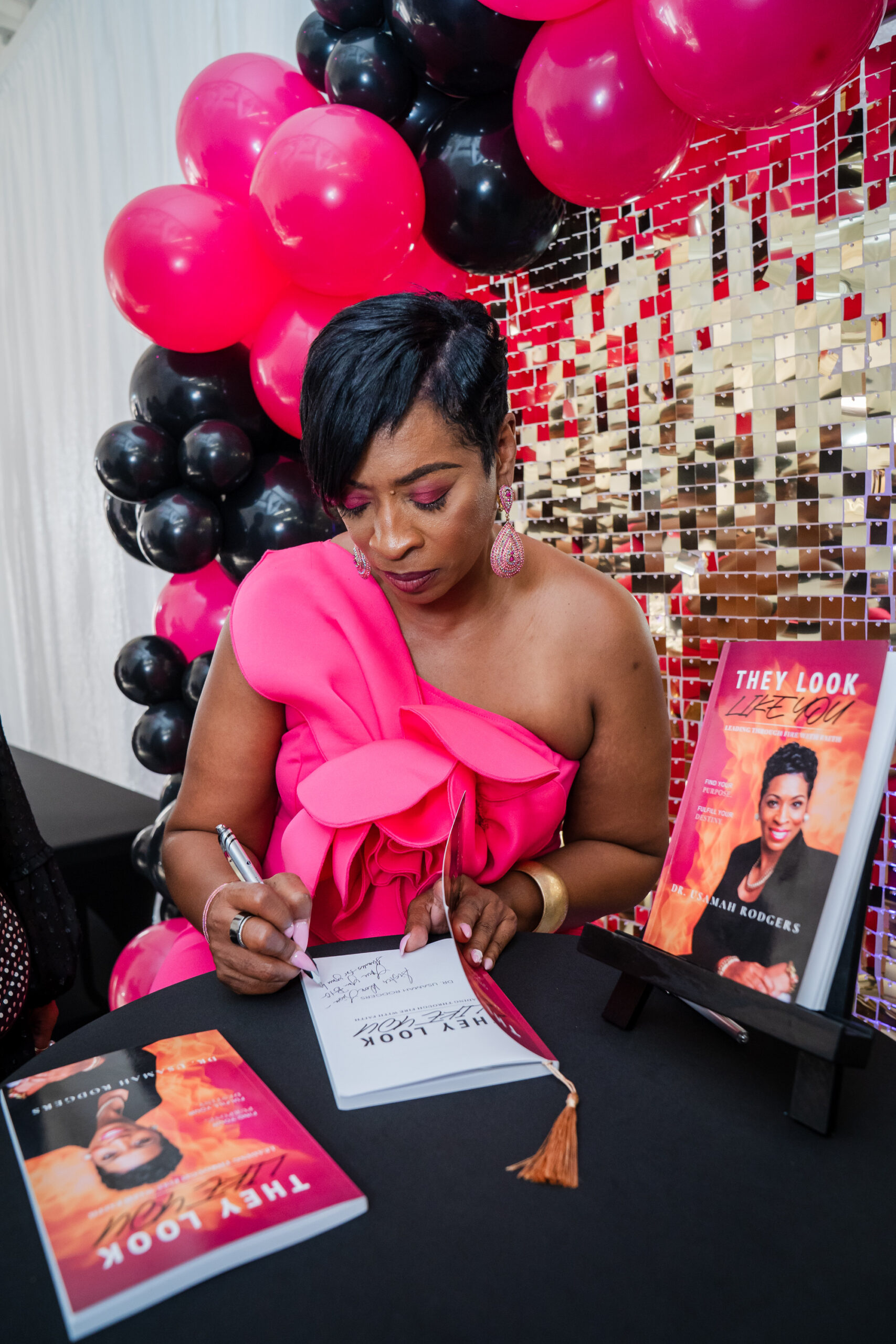
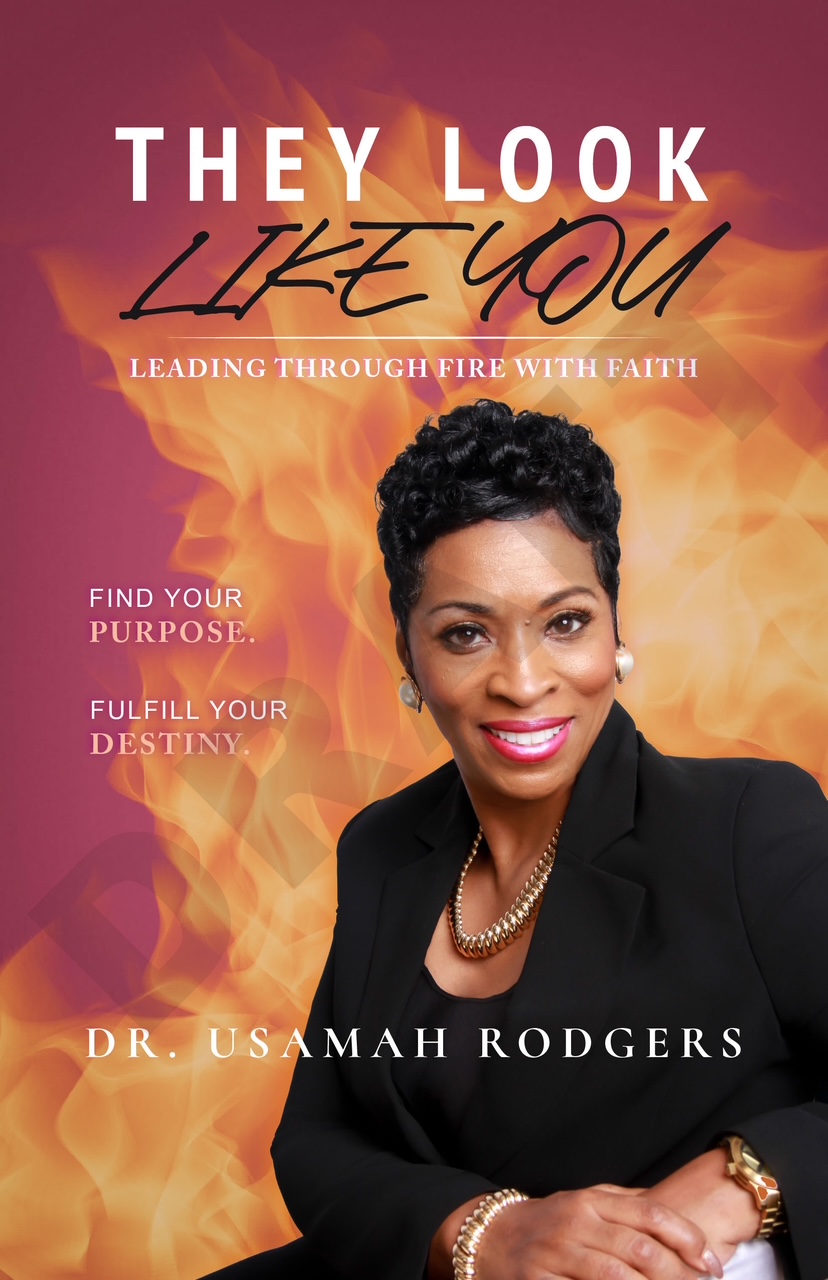
Lol, I’ve been enjoying the freedom of pursuing my dreams. Writing a book has been on my vision board for years. However, I did not start writing these thoughts with the purpose of creating a book. The book evolved from my journal. I journal to express gratitude and reflect. So, the book They Look Like You: Leading Through Fire with Faith is filled with my raw, honest emotion.
I experienced a lot of high and lows throughout my career and I journaled about them. As I read my journal, observed other women and reflected, I noticed patterns behavior. In particular, I noticed patterns of behavior among women and how women in leadership are treated by women and decided to write about it in more detail.
Throughout my career, I experienced and observed that some of the most painful professional experiences for women in leadership come from other women—women who look like us, women who should understand the challenges we face, and yet may still choose to tear women down instead of lifting them up. But that is not the entire story, there are also extraordinary women who open doors, speak your name in rooms you haven’t entered, mentor you, advocate for you, and demonstrate sisterhood rooted in accountability and support.
And then there are women who are still figuring out which kind of woman they want to be.
The book explores all three. Ultimately, it is a book about lessons learned and hope. People would always say to me “Dr. Rodgers, I don’t know how you do it” … So, I share my secret in the book which can be purchased on my website, barnesandnoble.com or Amazon.
SDM: Dr. Rodgers, you certainly have lived a full and successful life, and you continue to do so! I take my hat off to you! What advice would you give to aspiring educators and leaders about dealing with adversity?
Dr. Rodgers:
First, understand that adversity is not evidence that you are on the wrong path.
Sometimes adversity is part of the preparation.
I would tell aspiring educators and leaders to remain grounded in their purpose and never surrender their identity to someone else’s opinion of them.
Leadership will test you.
People may misunderstand you. They may criticize the decisions you make without understanding the information that you had when you made them. Sometimes people will disappoint you. Sometimes you will make mistakes.
Learn. Grow. Own what belongs to you. Release what doesn’t. Know it all works for your good.
Do the right thing anyway.
Extend grace without lowering your standards.
And never surrender your power to your emotions.
Most importantly, surround yourself with people who tell you the truth, protect your peace, stay connected to your faith, and remember that no position is bigger than your purpose.
Titles expire. Impact doesn’t.
SDM: How can people follow you on social media? Also, if they wanted to contact you for speaking engagements or had other business questions, how can they do that?
Dr. Rodgers:
I would love for people to connect with me.
In this next chapter, I am sharing much more about leadership, faith, entrepreneurship, personal growth, women in leadership, and what I call refinement—the process of transforming life’s experiences into purpose, perspective, perseverance, and possibility.
People can follow me on:
Instagram: usamahrodgers
Facebook: Usamah Rodgers
LinkedIn: Dr. Usamah Rodgers
YouTube: usamahrodgers509
For speaking engagements, consulting opportunities, media inquiries, or other business partnerships:
Website: https://usamahrodgers.com
Email: usamah@usamahrodgers.com