
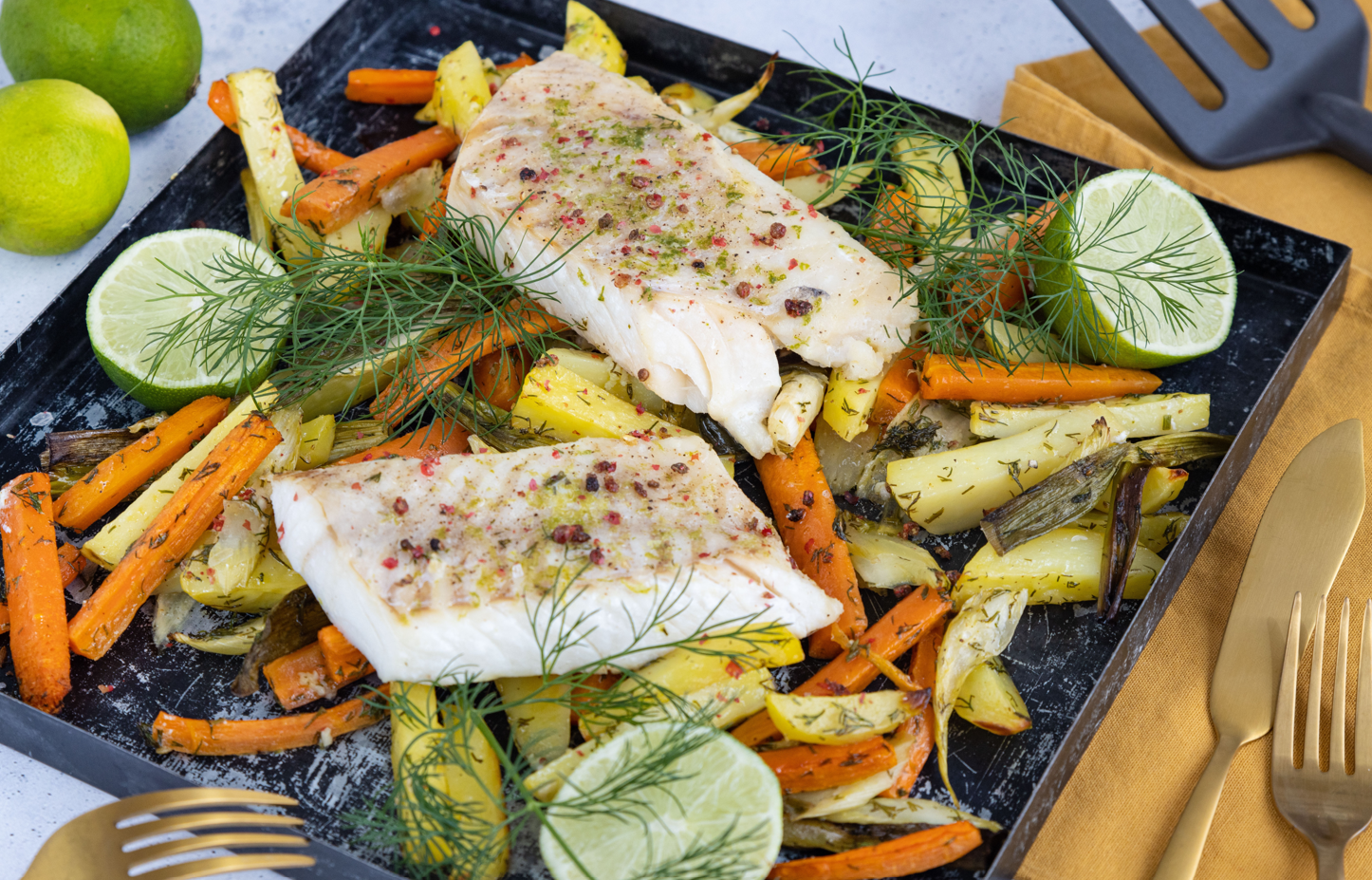


Fall is a good time to reset and reflect on our lives and how we can make the most of them. Here are six things you can do to support your health that will bring you energy and wellbeing so you can live your best life.
RESPECT AND BE KIND TO YOUR BODY.
Move it and strengthen it. Walking and other aerobic exercise can strengthen your heart and increase endurance. Stretches help improve flexibility and balance. Strength training helps manage blood sugar levels, strengthen bones, improve balance and manage weight.
GET ENOUGH SLEEP.
Enough sleep and quality sleep are as important to the body as food and water. Sleep affects our immune system, metabolism and blood sugar levels. How much sleep we get impacts what we eat. And what we eat and drink can impact our sleep. Choose dense nutrient foods more often for a better night’s sleep.
DRINK PLENTY OF WATER.
We are constantly losing water through breathing, sweat and waste. We need to constantly replenish the losses to keep our bodies functioning properly. The amount of water we need varies from person to person. Before reaching for coffee or an energy drink, drink a glass of water first. A minimum of eight glasses may be enough for some; others may need more.
EAT LESS SODIUM.
Sodium is a component of salt and is also used as a preservative in packaged foods and highly processed foods and snacks. Regularly consuming too much sodium can raise blood pressure, which can harm our kidneys. The goal is less than 2300 milligrams each day. Buying fresh or frozen foods and preparing more meals at home can help reduce intake, along with choosing more fruits and vegetables as snacks. Instead of adding more salt when cooking, use paprika, garlic, lemon, pepper, and onion or salt free blends as seasonings.
CHOOSE HEALTHIER FATS.

Gone are the days when eating heart healthy meant low-fat. Instead choose foods high in monounsaturated fats and polyunsaturated fats. Monounsaturated fats help lower cholesterol. It’s one of the reasons olive oil and avocados have become wildly popular. Other good sources of monounsaturated fats include nuts and canola oil.
Polyunsaturated fats help protect the heart. Find them in fattier fish such as salmon, corn oil, pumpkin seeds, walnuts, safflower oil, tahini, and soft tub margarines. As for omega-3 fats – essential fats the body can’t make on its own – include salmon (canned counts!), rainbow trout, mackerel, sardines, albacore tuna, walnuts, flaxseeds, and canola oil into your meal plan several times a week.
EAT MORE BEANS.
Beans have several grams of viscous fiber per serving. According to the National Lipid Association, consuming 5-10 grams of soluble fiber, which includes viscous fiber, a day can help lower LDL-C (the bad cholesterol) by 5 to 11 points. Viscous fiber can also slow digestion, reducing the rise in blood sugar after meals. It also feeds our gut microbiota and keeps our digestive tracts healthy. Healthy gut microbiomes have been linked to brain health, weight management, the immune system and more. Beans are also a good source of protein, easy to prepare, cost efficient and packed with a variety of vitamins and minerals.