
I’m Dianne Gibson for Justice of The Peace, 1/1 and I approve of this article” VOTE EARLY February 17-27 | Election Day: Tuesday, March 3, 2026.
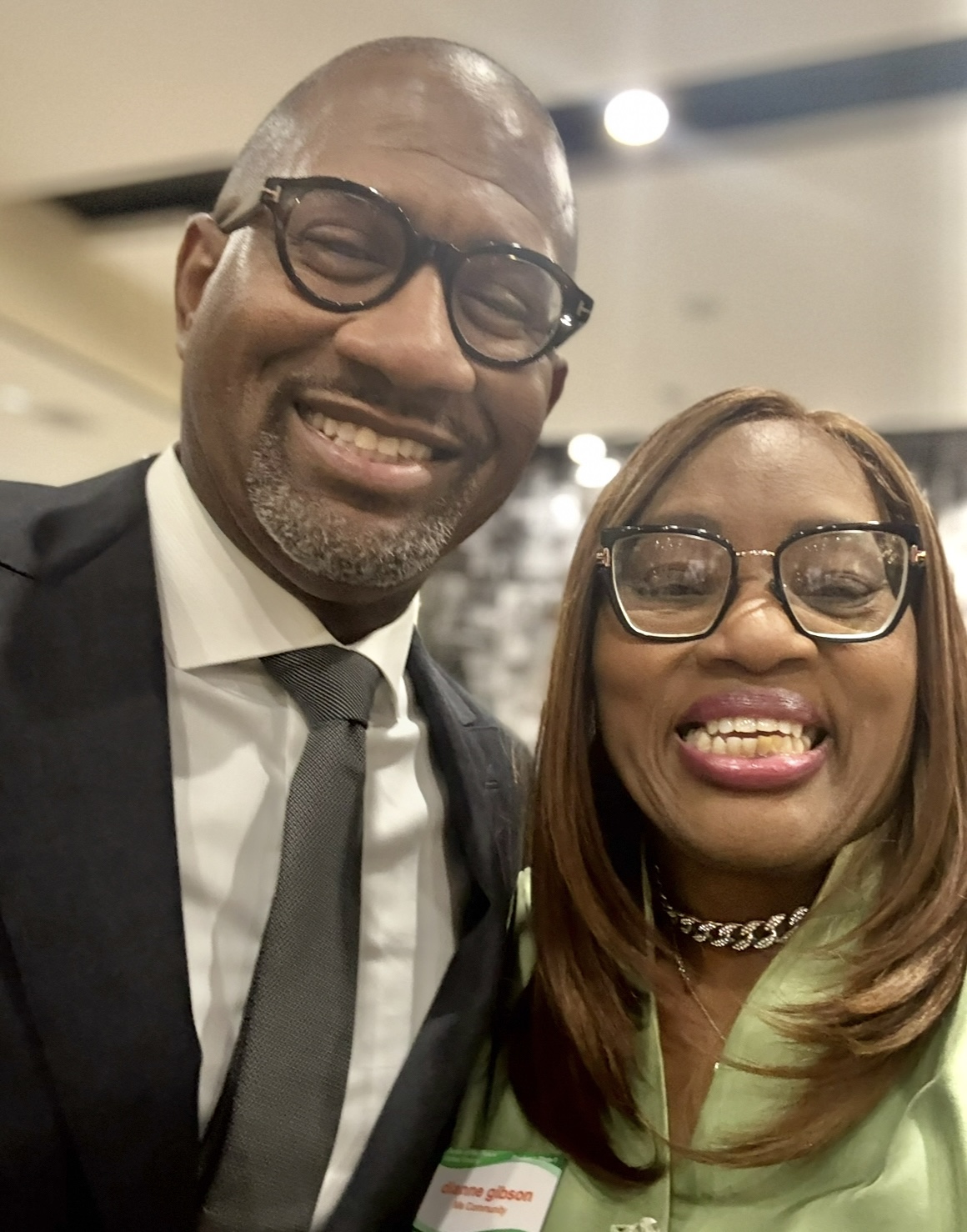
In Dallas County, Dianne Gibson, widely known as MsCommunity, stands at the intersection of media, faith, and justice. A respected radio personality and civic leader, Gibson uses her voice both on air and in public service to inform, uplift, and advocate for the community she has long served.
Her voice reaches listeners across multiple North Texas stations, including K104 FM, KRNB, KKDA, KHVN, KGGR, and KNON. But for Gibson, radio is more than broadcasting, it is a bridge. Through her platform, she educates residents on critical issues, amplifies community concerns, and encourages civic engagement, particularly among those often left unheard.
Gibson’s dedication to service is deeply rooted in her faith and decades of community work. For more than 30 years, she has faithfully served at Concord Church under Senior Pastor Bryan Carter and founding Pastor E. K. Bailey. Her work there has spanned community service initiatives, social support programs, housing efforts for unhoused residents, and public relations. Throughout, her focus has remained consistent: connecting people to resources and systems that can improve their lives.

That same commitment shaped her tenure as Chief Deputy over the Community Courts Division with the Dallas City Attorney’s Office. In this role, Gibson helped expand Community Courts from a single Mentor Court to five Community Courts, supported by two Specialty Courts—Veterans Court and Drug Court. She also played a key role in advancing three major initiatives: the Prostitution Diversion Initiative, the Homeless Docket, and the Gang Initiative, all designed to address root causes and provide alternatives to traditional punitive approaches. Among her most notable achievements was helping launch Dallas County’s first Expunction Clinic, significantly increasing access to justice for residents seeking to clear their records and move forward.
For Gibson, justice is not defined by case counts or outcomes alone. She consistently emphasizes that true justice considers whether laws and procedures were applied fairly—and what happens to people after a ruling is made. Her work is grounded in the principles of Procedural Justice: voice, neutrality, respect, and trustworthiness. When individuals experience fairness in the process, trust in the system grows.
She also champions Restorative Justice, an approach focused on repairing harm and rebuilding relationships rather than punishment alone. Together, these principles define Gibson’s legacy: a model of justice rooted in compassion, accountability, and meaningful community engagement.