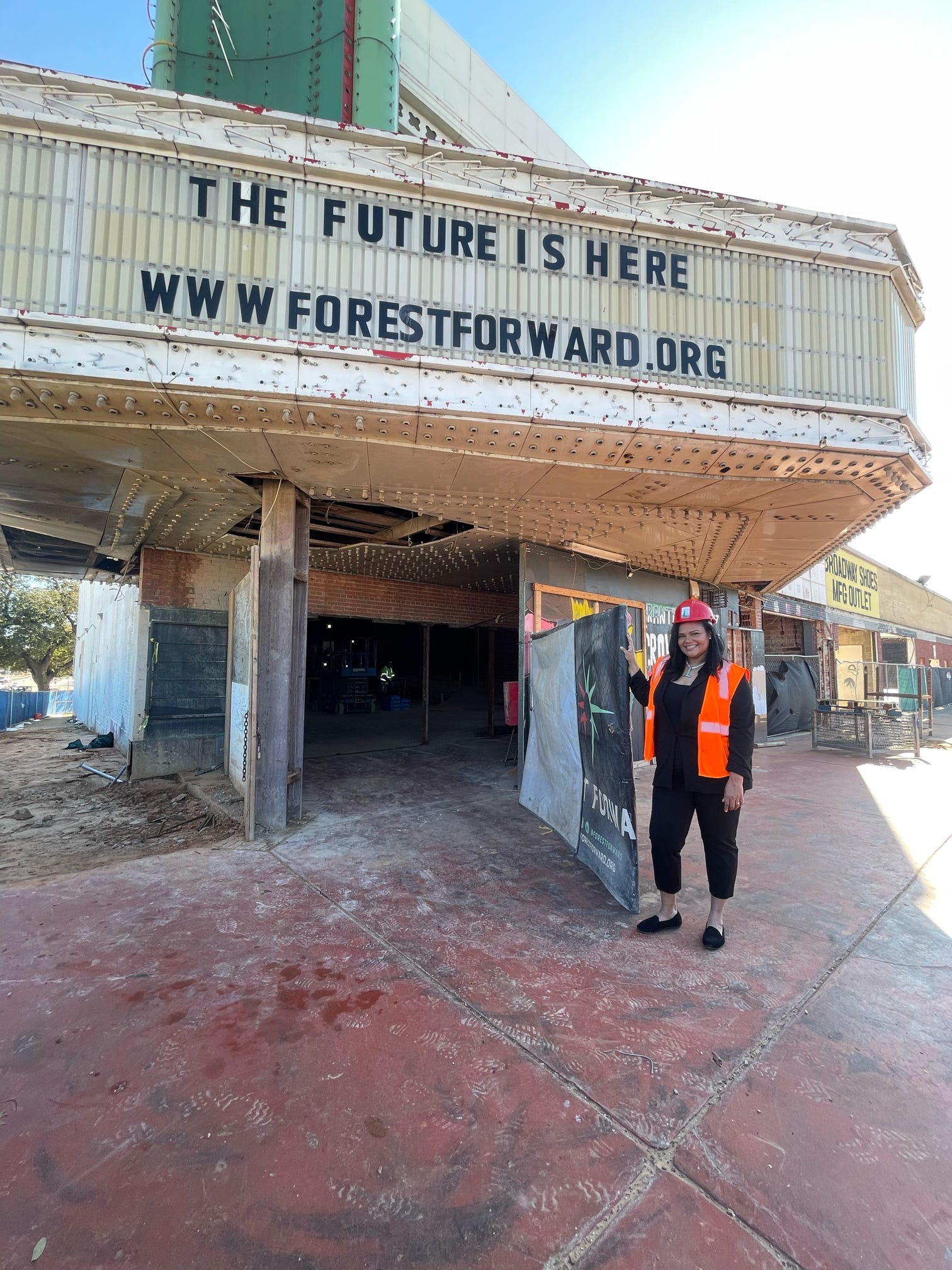
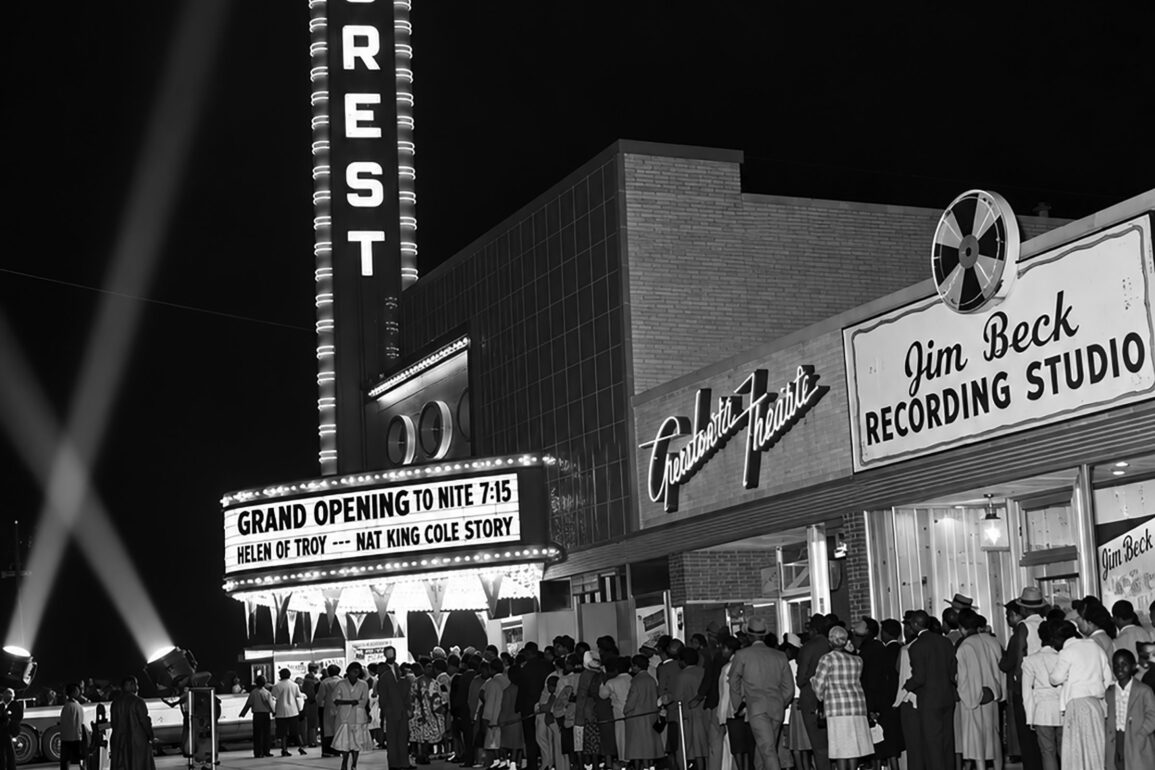
For decades, the historic Forest Theater has been woven into the story of South Dallas, and this reintroduction to North Texas residents this fall.
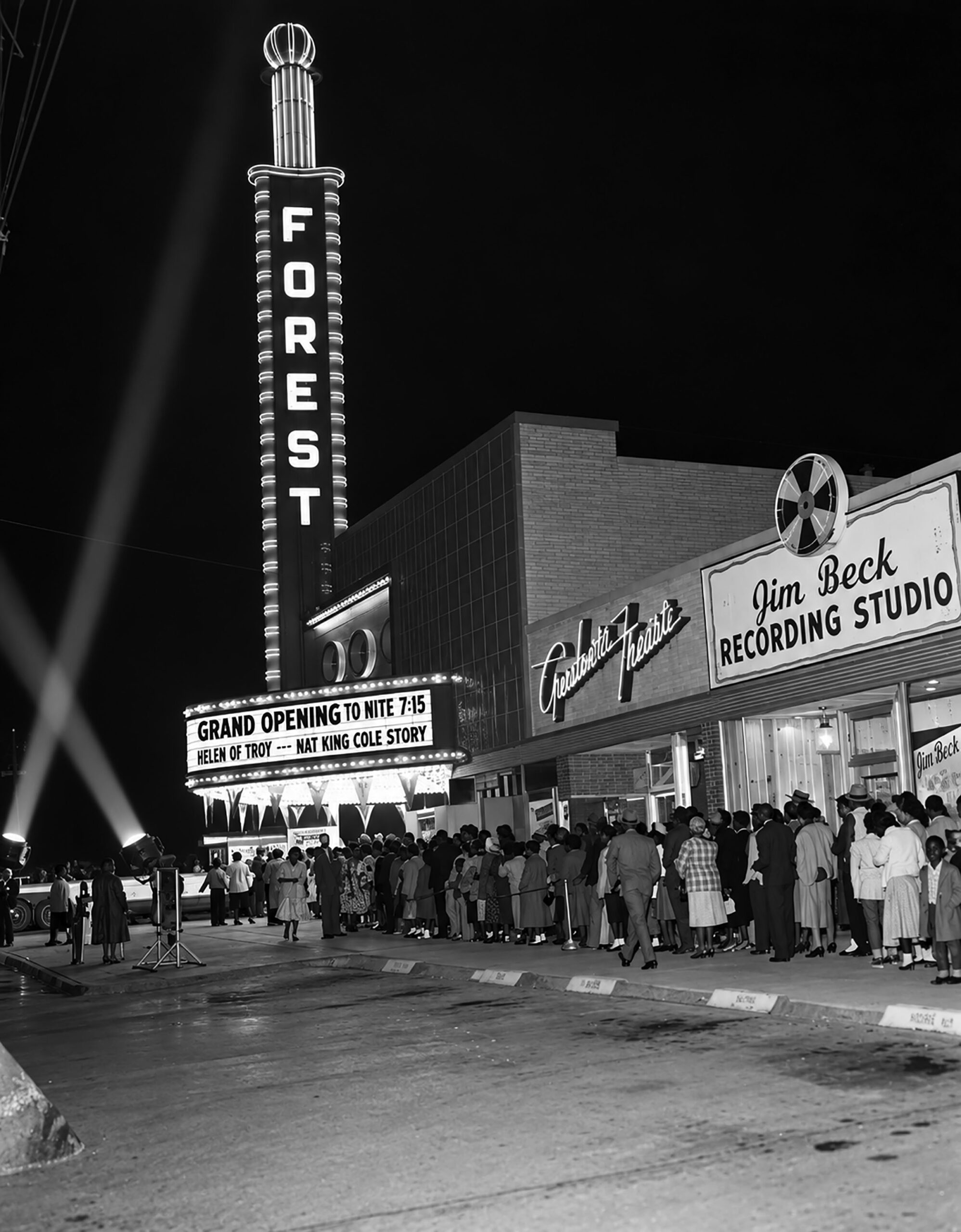
Opened in 1949, the historic venue became one of Dallas’ premier entertainment destinations, welcoming performers including Prince, B.B. King, Gladys Knight, Ike and Tina Turner, Wilson Pickett and Dallas native Erykah Badu before its last major use around 2008. On Nov. 1, the Forest Theater will open its doors again.
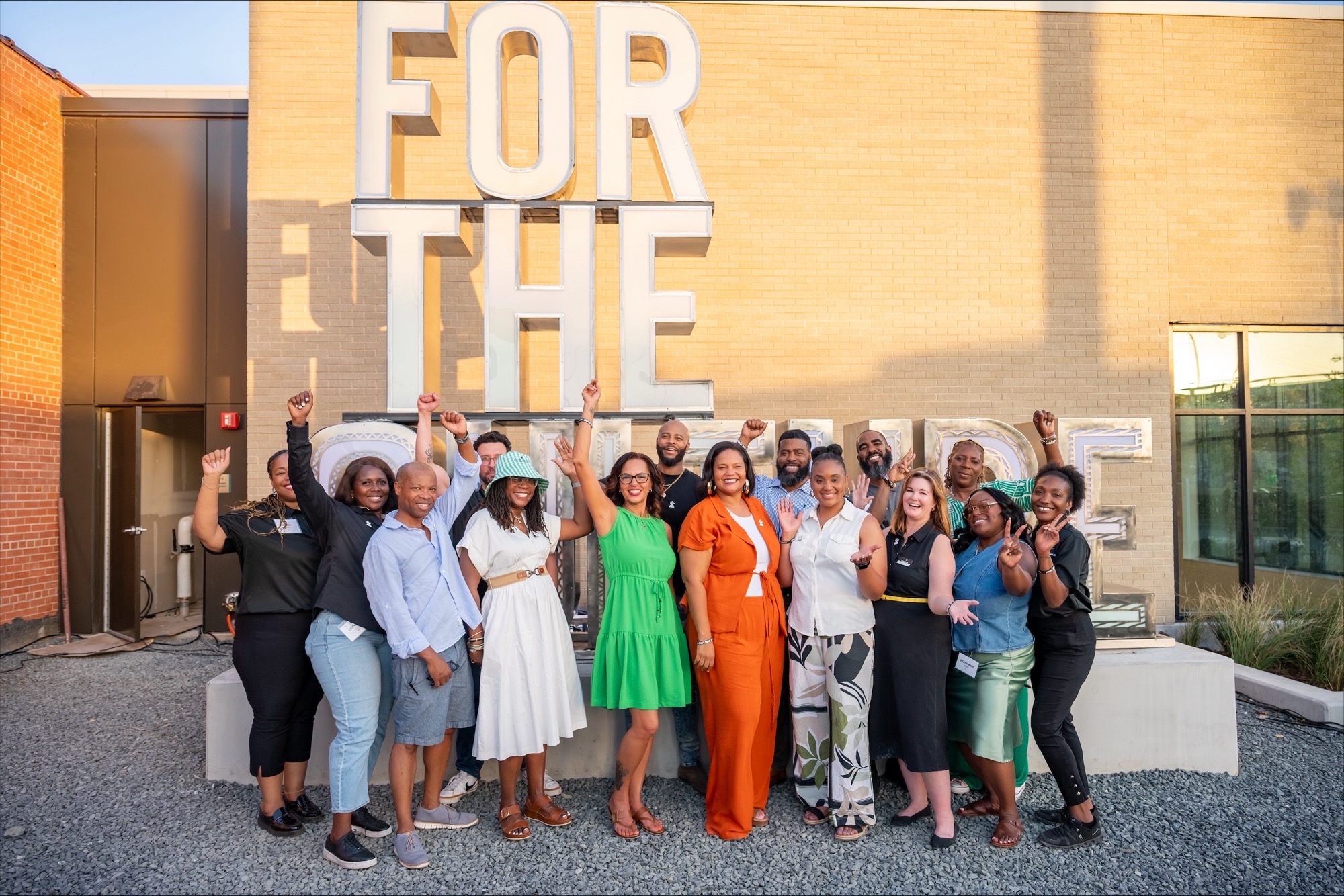
Elizabeth Wattley, president and CEO at Forest Forward, its return has never simply been about restoring a historic building.
“I want the impact to be felt long after someone leaves the Forest Theater,” she told Southern Dallas Magazine. “We are restoring an important cultural landmark, but this has never been about saving a building. It is about what becomes possible when we invest deeply in a community that has always had talent, history and brilliance, but has not always received the investment it deserves.”
She believes success means South Dallas families growing with the neighborhood, artists developing their gifts, residents finding opportunities and longtime neighbors seeing themselves reflected in what is being built.
“The work that we are fortunate to lead around neighborhood revitalization represents a larger promise: progress does not have to come at the expense of the people who carried a community through its hardest years,” she said. “The people who stayed deserve to experience what happens when investment finally stays, too.”
Access, Opportunity and Pride
The Dallas native explained that the impact of the theater should be visible in the everyday lives of people who live nearby.
“It [the impact] should look like access,” she shared. “A parent or guardian should not have to drive across the city for their child to experience exceptional arts programming. A student or artist should be able to walk into the Forest Theater and discover something they did not know was possible for their life. A neighbor should be able to enjoy a performance, have coffee, attend a community gathering or simply sit in a beautiful space and know that it belongs to them too.”
Access is only part of Forest Forward’s revitalization goals. She also wants residents to feel pride in watching something within their neighborhood that many once counted out become beautiful again.
“For many longtime residents, the story of the Forest can feel familiar,” Wattley explained. “It has survived changing times, disinvestment and years of uncertainty, and yet it is still standing. When that tower lights again, I hope our neighbors see a restored building, but I also hope they see a reflection of South Dallas itself. It’s still here, still rising and worthy of being seen.”
A Responsibility Bigger Than a Building
Wattley’s connection to the Forest began while she was working at CitySquare around the time the theater was acquired. She quickly realized the opportunity extended beyond reopening an entertainment venue.
“The Forest Theater had history, but the greater question was: What could its future unlock for the people surrounding it? That question captured me,” Wattley said.
She did not believe South Dallas needed someone to arrive with a plan to “fix” the community. Families, churches, educators, artists, entrepreneurs and community leaders had already been doing the work for generations.
“What was needed was the kind of sustained investment and partnership that matched the greatness already present,” she said. “So my relationship with this project became deeply personal. I never saw the theater as simply a historic landmark, but I viewed it as an anchor; something capable of connecting education, arts and culture, economic opportunity and neighborhood revitalization.”
That perspective was shaped by Wattley’s earlier work. At Paul Quinn College, she helped lead the transformation of a football field into an organic farm. At CitySquare, her work included developing 30 tiny homes as another approach to housing and community.
“Nonprofit leadership teaches you to hold vision in one hand and reality in the other,” Wattley said. “You learn to navigate systems, build unlikely partnerships and bring residents, philanthropists, educators, corporations and government to the same table without losing sight of who the work is ultimately for.”
She also views the work through the lens of stewardship.
“People sacrificed, organized and believed long before my name was attached to this work,” Wattley said. “My job is not simply to build something impressive. It’s to honor what came before us while building something strong enough to outlive all of us.”
Believing in What Was Not Yet Visible
Restoring a historic building while advancing a larger vision for South Dallas brought construction challenges, funding hurdles and times when “no” arrived before “yes.” When the process became difficult, Wattley kept returning to the children.
“Adults can become accustomed to what a neighborhood does not have. Children should never have to,” she said. “I thought about the child growing up blocks away who deserves to know that extraordinary things can happen where they live, and the long-time residents who remember the Forest Theater being alive and deserve to see life return to it.”
That purpose kept the project moving.
“Buildings are expensive. Transformation is hard. But the cost of continuing to underinvest in this community and the children is far greater,” Wattley said. “Every person who chose to believe with us became another voice saying, South Dallas is worth the investment.”
What Comes Next
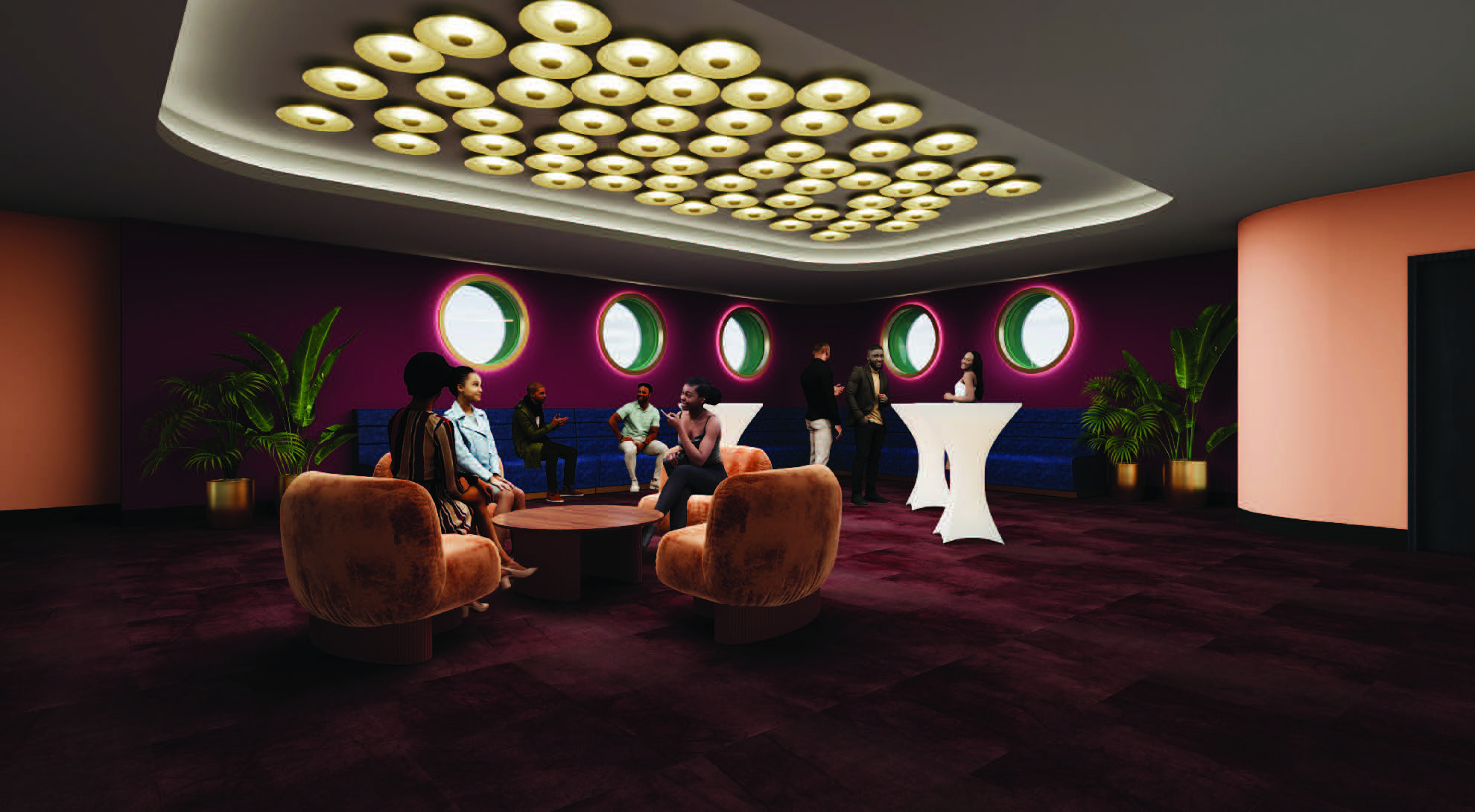
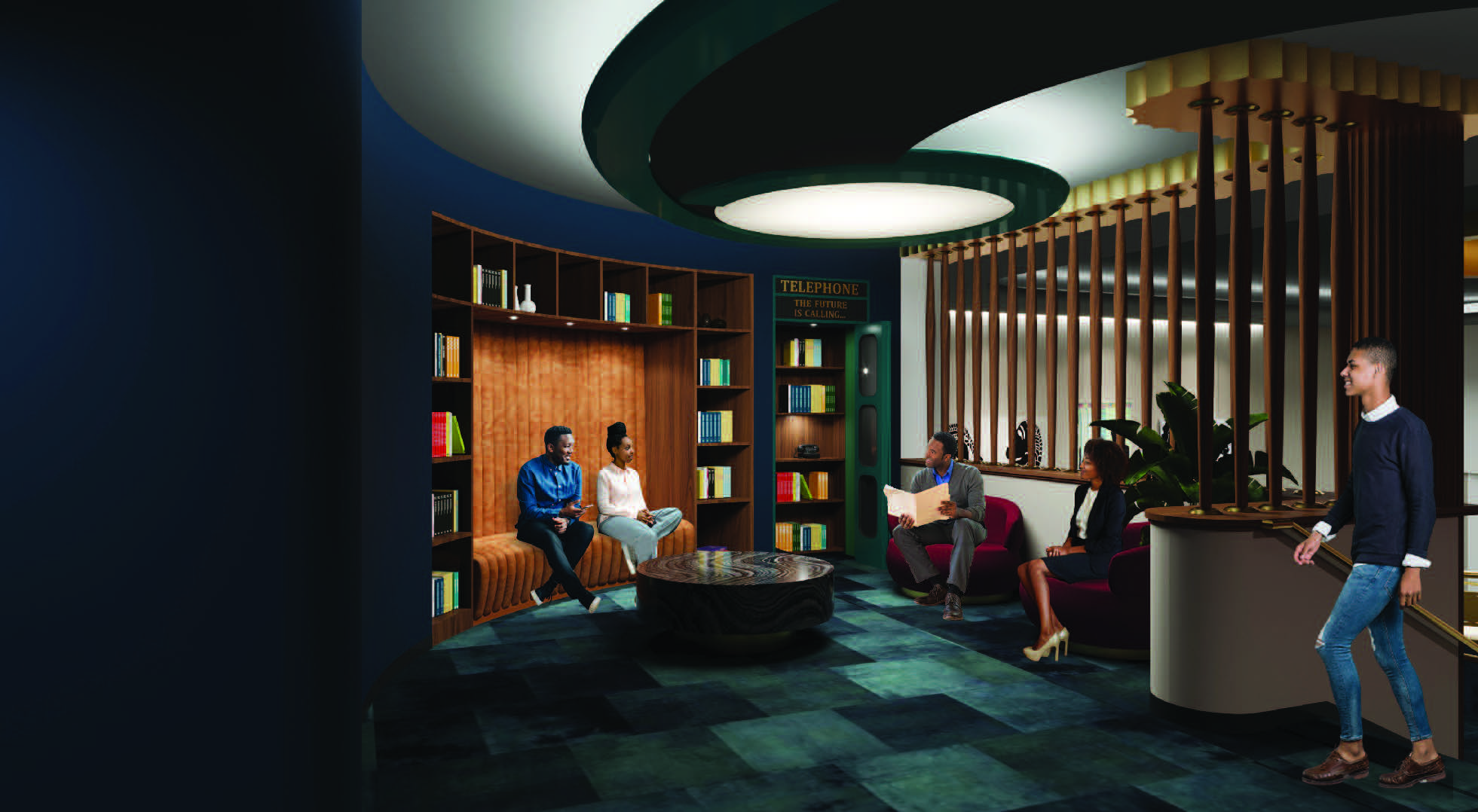
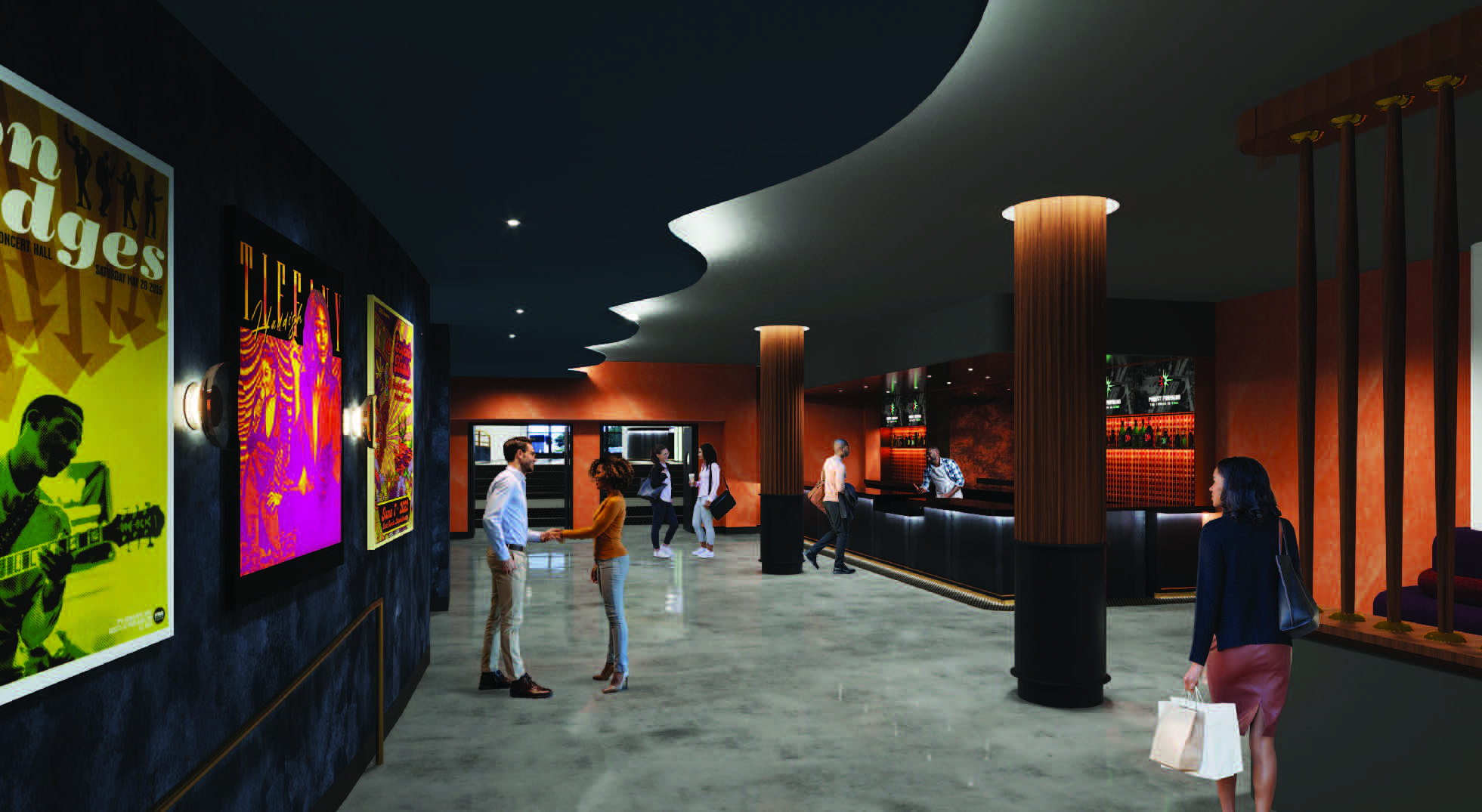
The reimagined Forest Theater will include a 1,000-person concert hall, 200-seat black box theater, 13,000-square-foot creative education lab, recording and podcast studios, rooftop gathering space, artist classrooms and community meeting areas. Wattley wants the programming to be just as expansive.
“There could be jazz, gospel, theater, dance, film, spoken word, community conversations, educational programming, weddings, and celebrations that become traditions for generations,” she said. “I want established artists here, but I also want the artist nobody knows yet.”
She sees that as part of closing the distance between talent and opportunity.
“There is a child somewhere in South Dallas right now who may become an extraordinary dancer, filmmaker, musician, producer, actor or entrepreneur,” Wattley said. “Talent is distributed everywhere; access and opportunity is not. Part of our responsibility is closing that distance.”
The Forest will also remain firmly rooted in the culture surrounding it. Her goal is for the theater to honor where it stands while allowing South Dallas to experience the world and the world to experience South Dallas.
“I want the Forest Theater to remain rooted in Black culture without believing Black culture has to be contained,” Wattley said. “Black culture has always traveled. It has shaped music, art, fashion, language and movements around the world.”
The Grand Return
That next chapter officially begins Nov. 1 at 5:30 p.m. with the Grand Return. The community homecoming will include live entertainment, musical guests, local businesses in Vendor Village, food trucks and opportunities to experience the restored theater before the evening culminates with the ceremonial relighting of the iconic tower and marquee for the first time in more than 50 years. Advance registration is required. Rather than a traditional set admission price, guests are invited to make a contribution meaningful to them in support of lighting the tower.
Forest Forward is also continuing to raise support through its $2.5 million Light the Tower campaign. Individuals, families, businesses and organizations can contribute through opportunities including commemorative pavers, permanent Founders Wall recognition and naming opportunities. For Wattley, the theater’s return ultimately comes back to the people who were there long before the restoration began.
“Before anyone invested in this building, you invested in this community,” she said. “You stayed. You raised children here. You worshipped here. You opened businesses here. You made music here. You celebrated here. You buried loved ones here. You kept showing up through years when investment did not.”
Wattley disclosed what “This is your Forest” means when speaking to Dallas residents.
“This theater belongs in the story of South Dallas, and the people of South Dallas belong in its next chapter,” she explained. “I want our elders to walk through these doors and feel that we remembered [them]. I want families to feel welcomed, not accommodated. And I want children to walk inside without ever questioning whether a place this beautiful was built with them in mind. Because it was.”
“The lights may be coming back on inside the Forest Theater, but South Dallas was never dark,” Wattley said. “The brilliance was already here. Our job was to invest in it; protect it and finally give it the stage it deserves.”