How a DeSoto Pastor Is Building Faith, Homes, and Hope Across Southern Dallas County
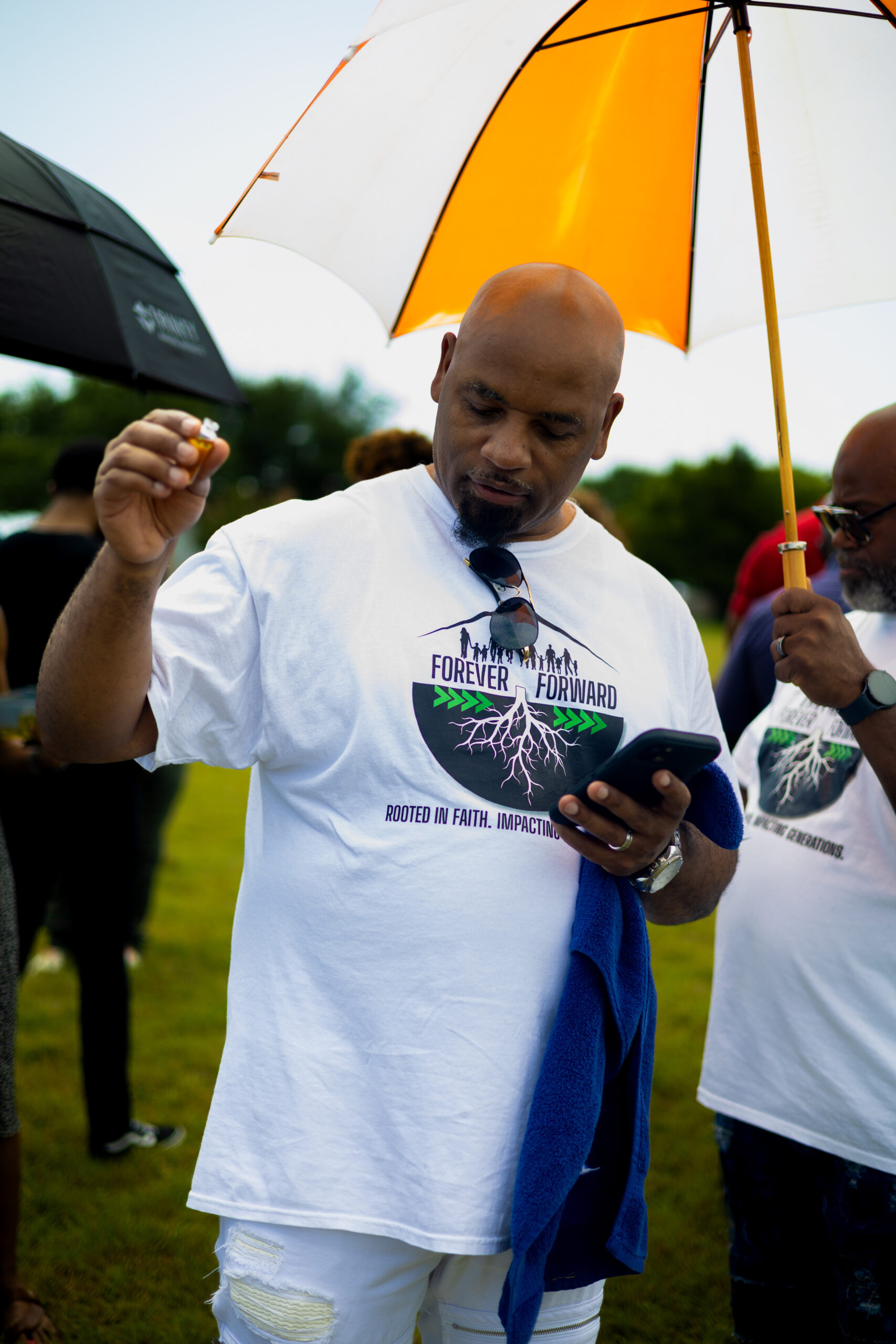
 On a warm North Texas evening, a circle of neighbors, city partners, and congregants gathered on an open stretch of land in DeSoto. They prayed. They anointed the soil. And they made a promise that the ground beneath their feet would one day become a place of dignity, wellness, and generational connection.
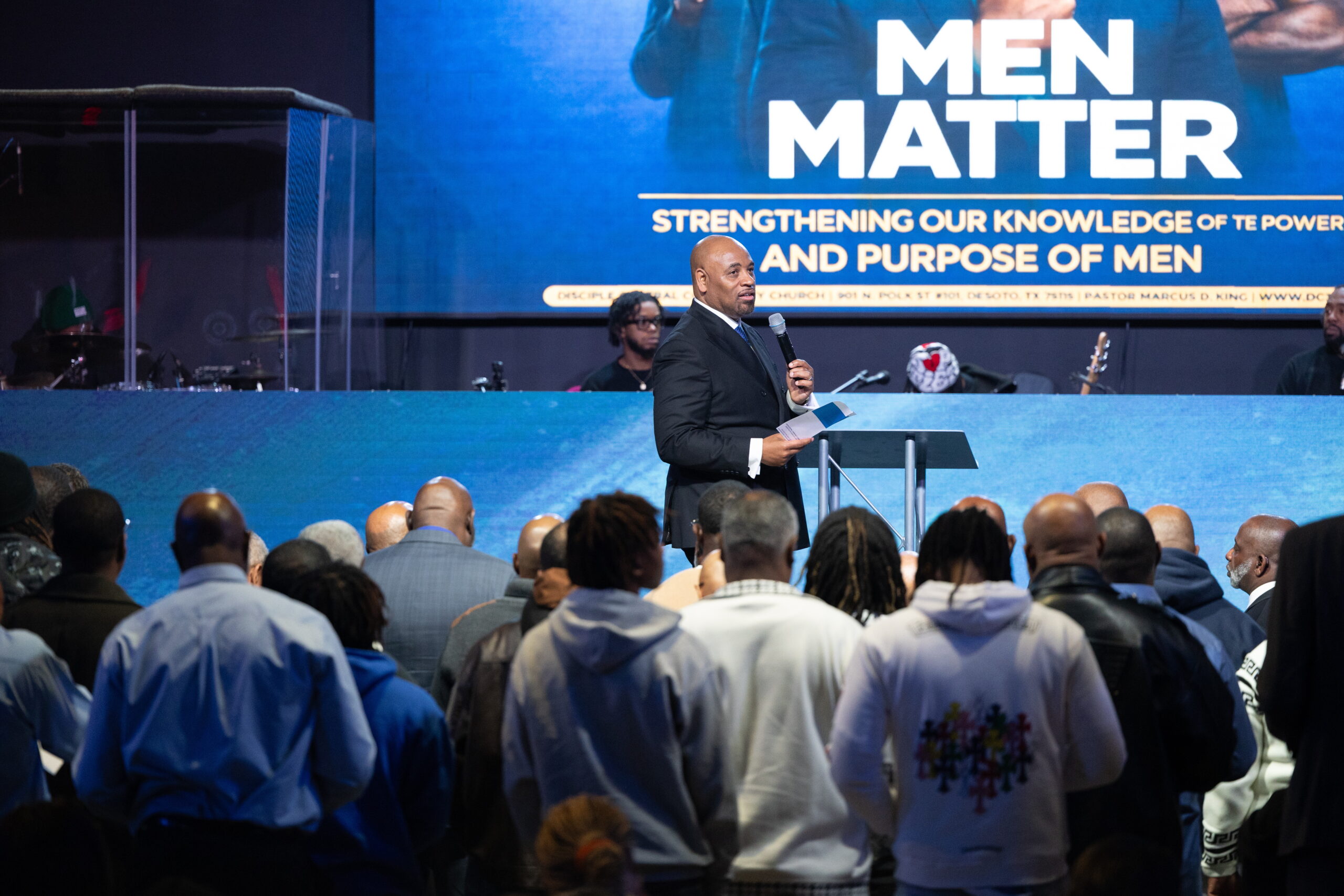
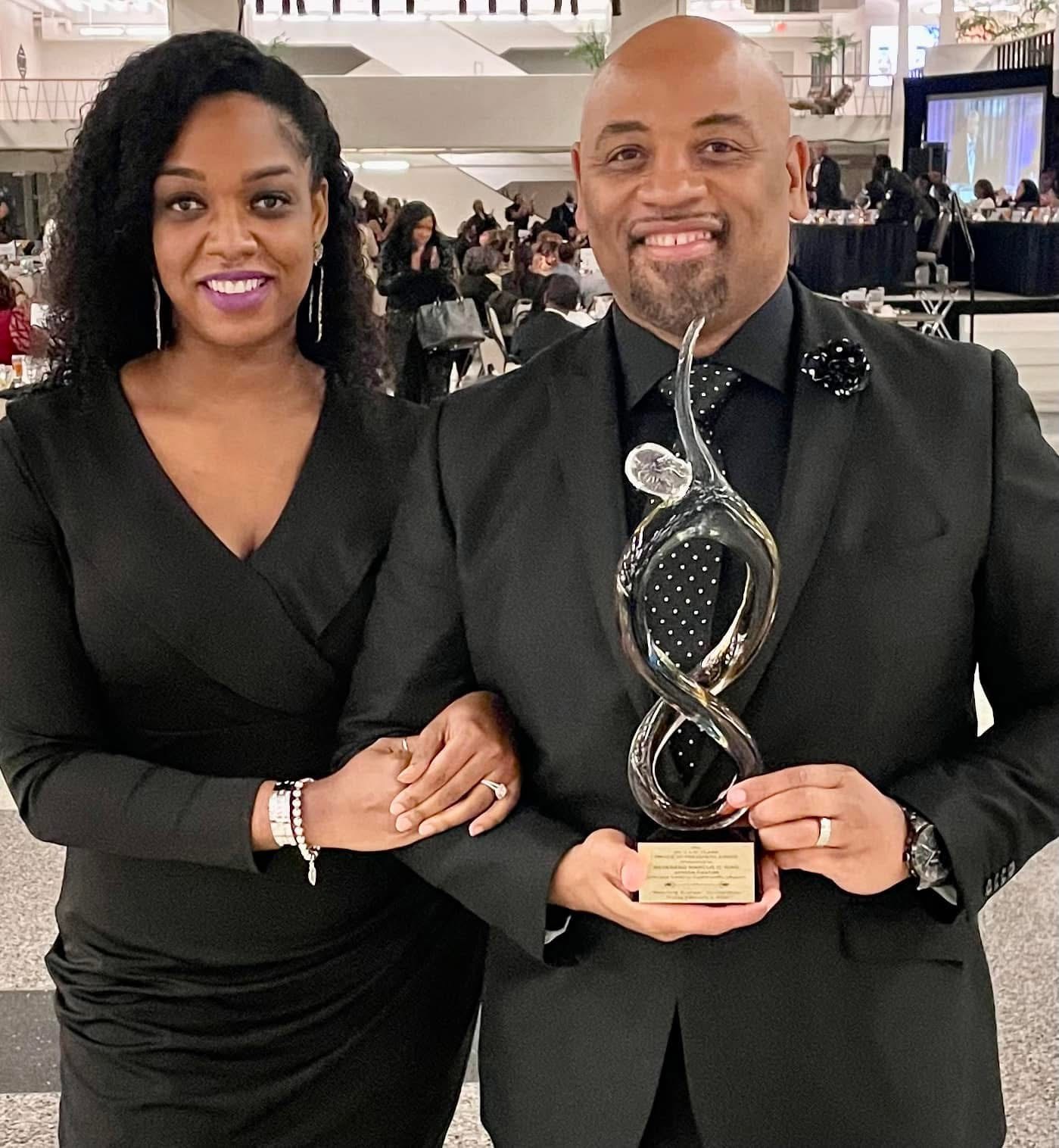
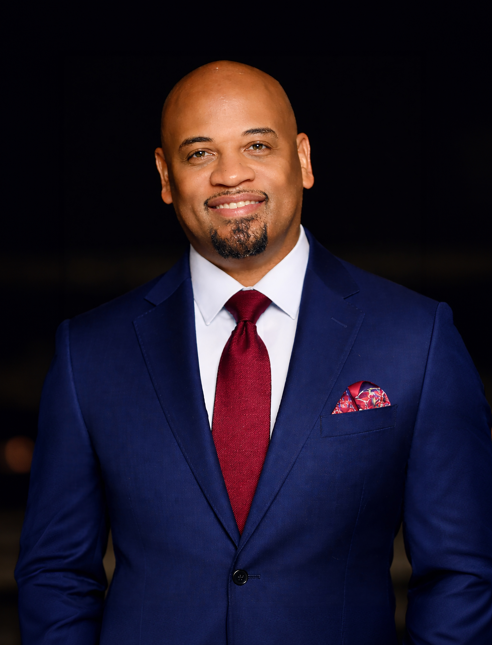
For Pastor Marcus D. King, Senior Pastor of Disciple Central Community Church (DC3), that moment captured everything he believes about leadership: faith is not just inspirational; it’s operational. It should produce measurable good for real people in real zip codes.
King’s story reads like Southern Dallas County itself: resilient, inventive, and unapologetically community-minded. A former educator who once taught eighth-grade English, he carries a blend of classroom clarity and pastoral conviction. His academic background includes degrees in English, Christian Ministry, and Christian Education, with studies connected to Sam Houston State University, Dallas Baptist University, and Southwestern Baptist Theological Seminary. In January 2008, King planted DC3 with seven committed members and a vision for a church that would be for the city as much as in it.
That vision widened early. Later in 2008, DC3 entered into a strategic partnership with Johnson Chapel Community Church in DeSoto, an early merge that formed a unified body with renewed leadership and purpose. From the beginning, King understood that sustainable ministry would require more than charisma or momentary momentum. It would require systems, discipline, and trust.
For many across Dallas–Fort Worth, DC3 may still be a name they are just discovering. But for the city of DeSoto; its schools, neighborhoods, and civic systems, the church has quietly become indispensable. What makes DC3’s footprint notable is not simply the breadth of its activity, but the structure behind it. From volunteer pipelines to partnerships with city leaders, the church has built repeatable rhythms that turn vision into practice, practice into trust, and trust into capacity.
King is a pastor who thinks like a builder.
That mindset shapes how King approaches leadership at every level. Rather than centering ministry around personality or moments, he emphasizes processes that outlive any single season. Meetings end with next steps. Vision conversations include timelines. Growth is measured not only by attendance, but by leadership development, volunteer engagement, and community outcomes. For King, sustainability is spiritual discipline; systems are not a substitute for faith, but a reflection of it. What God begins in prayer, he believes, should be stewarded with excellence, accountability, and foresight.
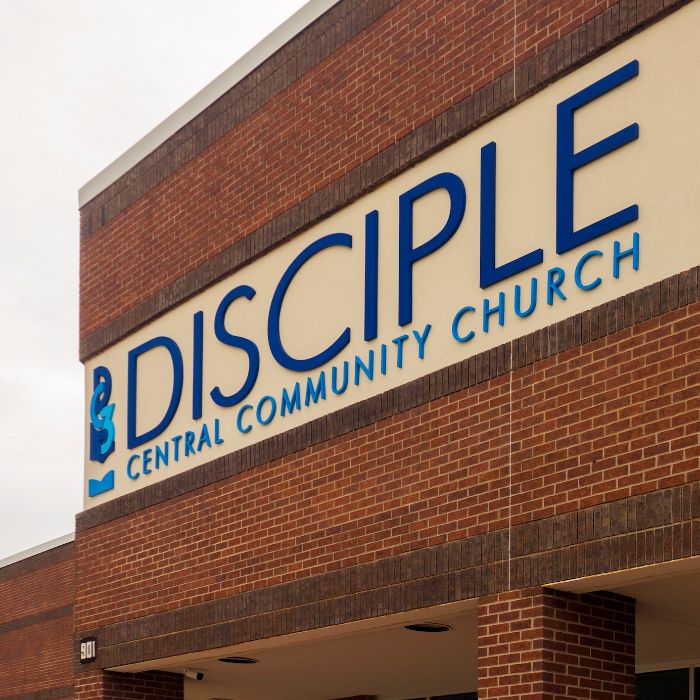
Under his leadership, DC3 redeveloped a former Albertsons grocery store into a 1,145-seat sanctuary and a 50,000-square-foot multi-use facility, completed as a major remodel in 2016. Today, the campus functions as far more than a worship space. On Sundays, it is a sanctuary. On weekdays, it becomes a strategy center: hosting workforce fairs, leadership labs, civic meetings, and community resource pop-ups. Even the facility’s design reflects intention: flexible rooms, shared spaces, and infrastructure that allows ministry and partnership to scale without losing its relational core.
That instinct for stewardship, Stewardship with a capital “S”, shows up in how DC3 organizes people as well as property. The church structures ministry lanes across life stages, including men, women, young adults, seniors, couples, and students, emphasizing development of mind, body, and soul. Discipleship is designed to be tangible, not abstract; community is built to last, not depend on personality.
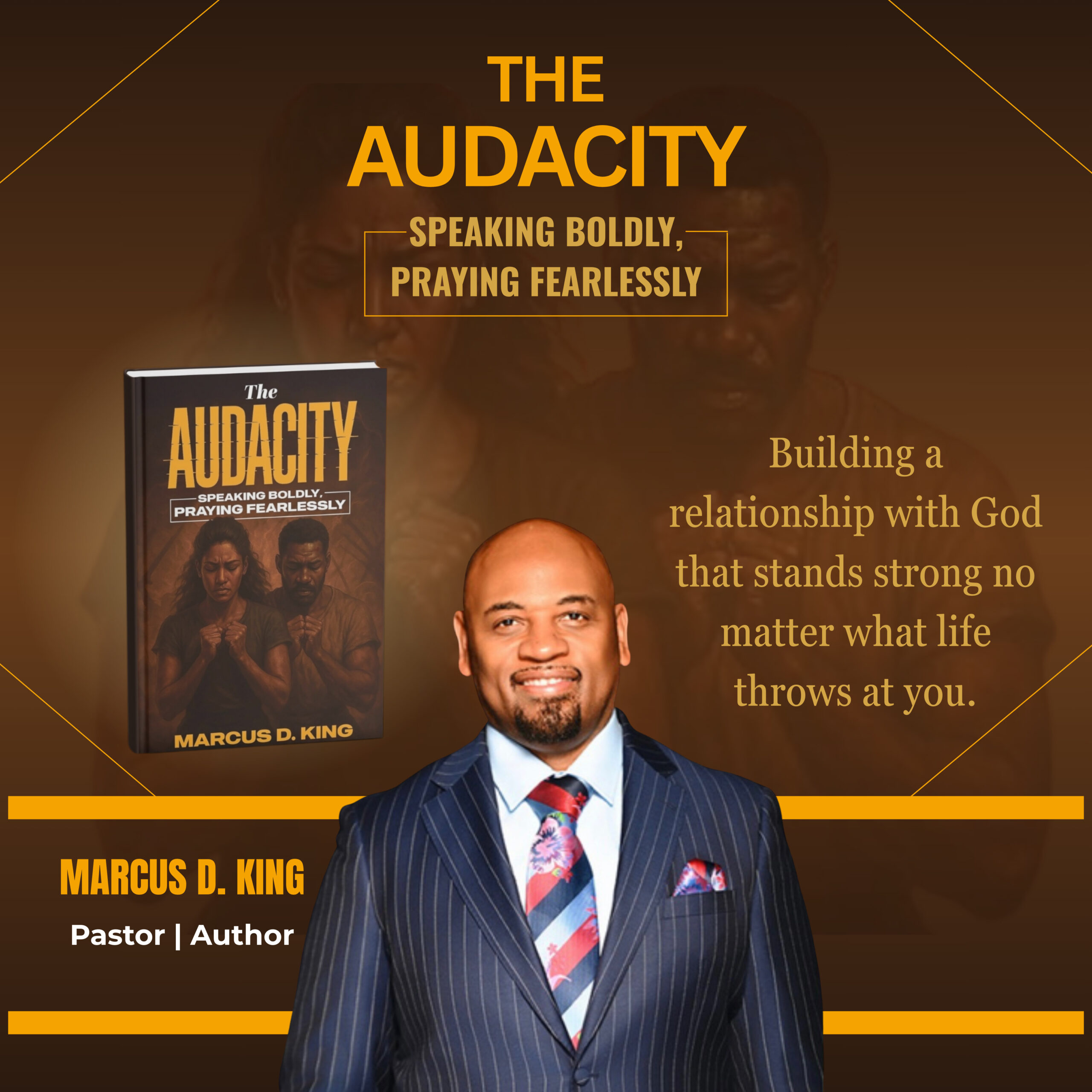
King is also an author whose writing mirrors that same blend of pastoral wisdomand practical leadership. His 2015 book, The Cost of Change: What to Expect When You’re in Transition, became a trusted guide for leaders navigating organizational and personal growth. His most recent release, The Audacity: Speaking Boldly, Praying Fearlessly, reframes prayer as active partnership rather than passive reflection.
“Prayer isn’t a speech to God,” King often says. “It’s a strategy meeting with Him.”
In The Audacity, King argues that bold prayer is the engine of social good. It begins privately, but it must spill into public life, into hiring practices, partnerships, urban planning, and the way a city treats its elders. That theology has teeth. Prayer, in King’s framework, does not remove believers from civic complexity; it sends them into it with clarity and courage.
That conviction gave rise to DC3’s five-year impact agenda, known as Forever Forward. Built around five pillars: Youth Empowerment and Leadership, Affordable Housing and Homeownership, Community Partnerships and Civic Engagement, Business and Workforce Development, and Economic Stability; the initiative positions the church as a long-term contributor to regional wellbeing, not a seasonal volunteer.
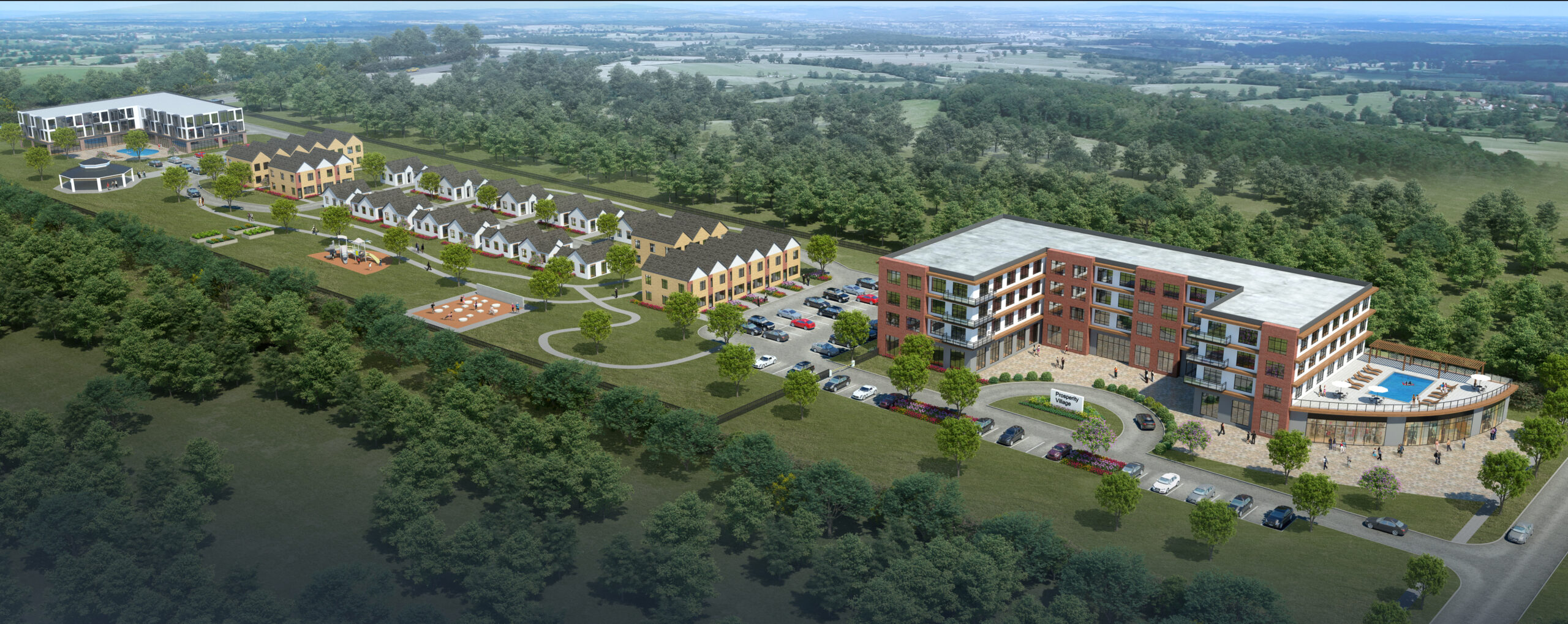
The most visible expression of that vision is Prosperity Village, a multi-generational wellness community and mixed-use development planned on seven acres in DeSoto. As of early 2026, DC3 has successfully closed on the land and is actively advancing design, development, and partnership phases. Completion is projected for late 2027.
Prosperity Village is intentionally designed to serve seniors, families, and individuals across life stages, integrating housing, wellness, shared community spaces, and supportive mixed-use elements. The goal is simple and radical at the same time: aging with dignity, living with connection, and building neighborhoods that promote stability rather than displacement.
The timing of Prosperity Village is not accidental. Southern Dallas County is experiencing rapid change, including rising housing costs, aging populations, and increasing pressure on fixed-income seniors. For many longtime residents, the fear is not simply affordability, but isolation, being priced out of neighborhoods or disconnected from community as development accelerates. Prosperity Village responds directly to that tension, offering a model that blends housing, wellness, and relational infrastructure. It asks a deeper question: what does development look like when dignity, not speed, sets the pace?
This is not a vanity project. Prosperity Village reflects both moral clarity and market wisdom, a Kingdom-meets-civic model that assumes faith institutions can be credible partners in addressing housing, wellness, and long-term community health. Rather than feeling like a development, the project is designed to feel like a neighborhood, where relationships are as important as structures.
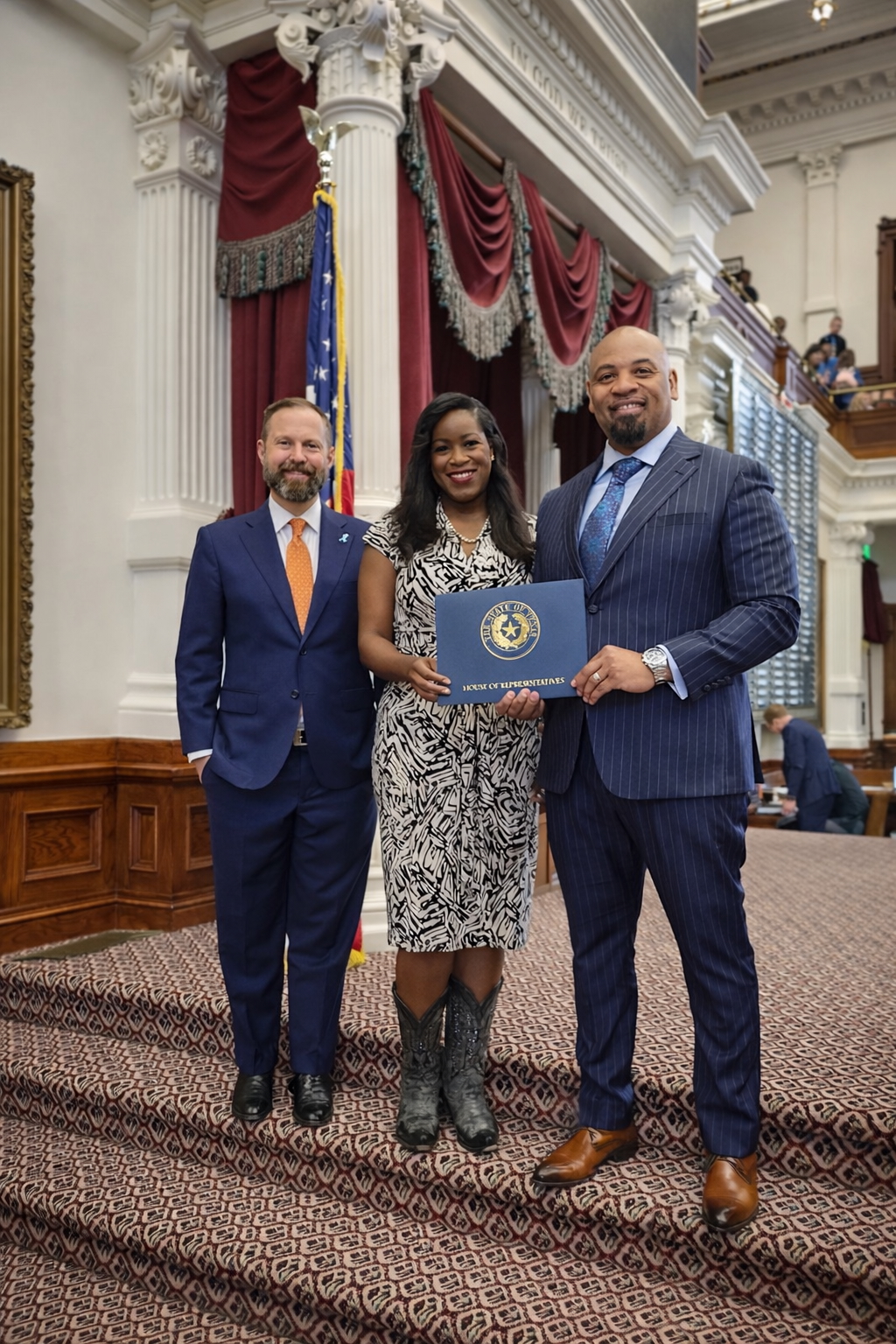
That same commitment to presence shows up in DC3’s civic engagement. For more than a decade, the church has served as one of the largest early-voting and Election Day locations in Southern Dallas County. In a time when public trust is fragile, DC3’s consistency has positioned it as a trusted civic anchor as well as a spiritual one.
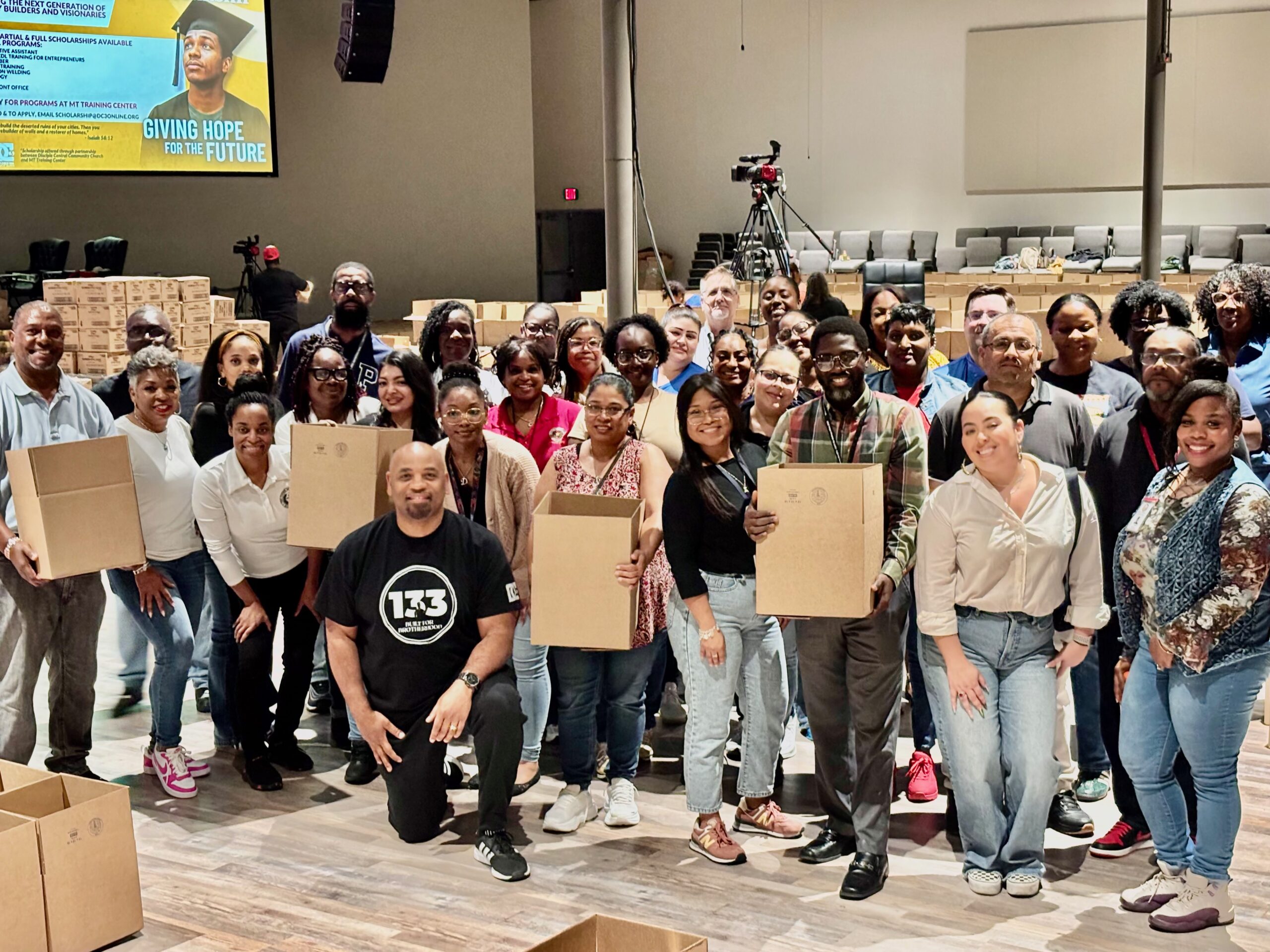
Presence also shows up through direct community care. DC3’s Bless DeSoto initiative has become a defining rhythm of the church’s identity. Each month, volunteers serve hundreds of individuals and families through food distribution. Each year, the church delivers Thanksgiving meals to more than 1,200 families across 27 apartment communities throughout DeSoto. Over the past five years, DC3 has invested nearly half a million dollars into this sustained, door-to-door outreach.

Bless DeSoto isn’t a moment; it’s a model. Every year. Every door. Every family. It reflects DC3’s broader philosophy: scale should never replace sincerity. As reach expands, systems must deepen.
That philosophy extends into digital engagement as well. DC3 has invested in tools that keep congregants connected through content, registration, giving, and communication, while also adapting service times and accessibility to remove friction for participation. Small decisions reflect a larger value: consistency builds trust.
King’s leadership style reinforces that same principle. He is not simply trying to build a large church; he is building a dependable one; dependable to congregants seeking discipleship, to families needing food, to a city requiring trusted partners, and to a next generation watching for integrity.
What distinguishes DC3’s approach is not scale alone, but intent. The church is building with an eye toward replication; demonstrating what is possible when faith-rooted institutions think long-term and partner wisely. King often speaks about legacy not as a personal achievement, but as a communal responsibility. The goal is not simply to complete projects, but to leave behind frameworks other churches, cities, and leaders can adapt. In that sense, DC3’s work functions as both service and signal: proof that spiritual conviction and civic competence can coexist, and even strengthen one another.
Southern Dallas County is writing a new chapter, one where institutions are evaluated not only by what they say, but by what they sustain. In that environment, DC3’s approach stands out: leadership with structure, compassion with measurable follow-through, and spirituality that translates into practical good.
Forever Forward isn’t a slogan. It’s an assignment.
And when Prosperity Village delivers on its promise, it may become more than a signature DC3 project. It may become a blueprint for how faith-rooted institutions help shape the future of cities; one neighborhood at a time, with prayer in one hand and a plan in the other.
Learn more at www.dc3online.org or MarcusDKing.com.